


Quick Facts
- Bee balm, also called horsemint, is a native Monarda that is aromatic and showy, with distinctive flower heads that attract pollinators.
- It is a magnet for wildlife. Bees, butterflies, and hummingbirds feed on its nectar, and it typically blooms in foothills and mountain gardens from early July through August.
- It grows well in sunny, well-drained sites. It forms patches and spreads by seeds and rhizomes, tolerates dry conditions, and will bloom longer and fuller with extra water in very dry summers, especially if you route downspout water to it.
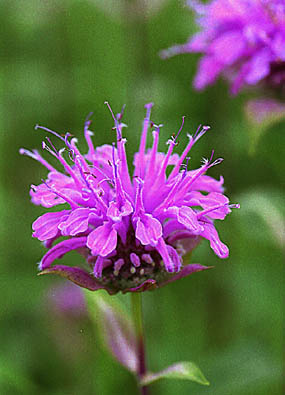
Monarda fistulosa (commonly called Bee balm or Horsemint) is a native plant that is a sentimental favorite of mine. It is both beautiful and aromatic, and its flower heads remind me of court jesters’ hats. Bees, butterflies and hummingbirds are drawn to its nectar. It blooms in the foothills and mountains from early July through August.
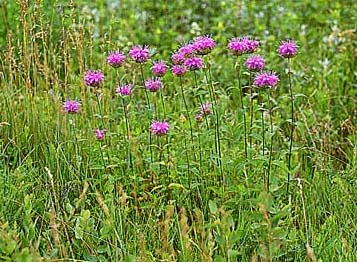
A perennial, Bee balm grows naturally in patches in our sunny high country meadows with well-drained soil. It spreads by seeds and rhizomes. In your garden it tolerates dryness but benefits from supplemental water during especially dry summers. (Direct water from your roof downspout through your Bee balm patch, and you will be rewarded with lush and long-blooming stands.)