


Noxious Weed Facts
- Cheat-grass produces heavy seed loads (400+ lbs/acre) and is very flammable, especially in disturbed areas.
- Seeds catch on clothes and in animal ears, and the seed heads blow around—so disposal matters.
- Use hand-pulling (spring/fall), targeted grazing, and/or herbicides, then stick with follow-ups for 4–5+ years because seeds can persist in the soil.
Cheat-grass (cheatgrass), also known as downy brome, can invade grassland communities and displace native plants. It thrives in disturbed areas.
Cheat-grass produces more than 400 lbs. of seeds per acre and is highly flammable.
This plant can be controlled mechanically (hand pull during spring and fall), biologically (grazing), or chemically. Bag and dispose of all seed heads as they are dispersed by the wind.
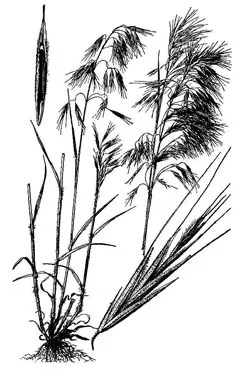
Height ranges from 3-30″ with drooping branches. Note the crooked seed head and small soft hairs covering entire body of plant. Leaves emerge dark green, often with hint of purple.
Diligence is the key to eradicating cheat-grass. Be persistent and continue follow-up treatments for 4-5 years or longer, because cheatgrass seeds may survive in soils that long.
Contact Gilpin County Extension for specific herbicide recommendations.