


Garden information
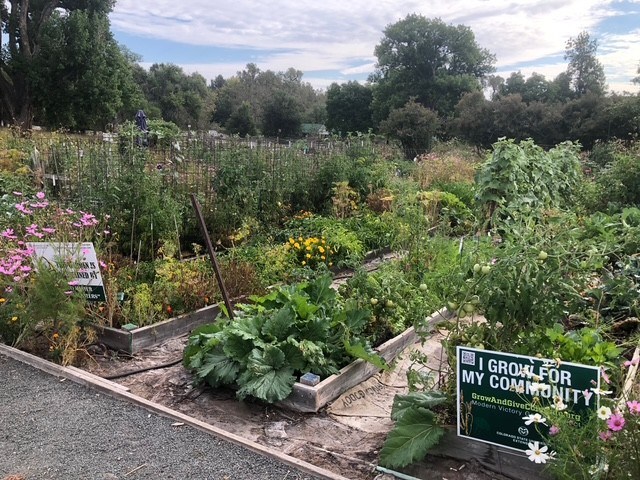
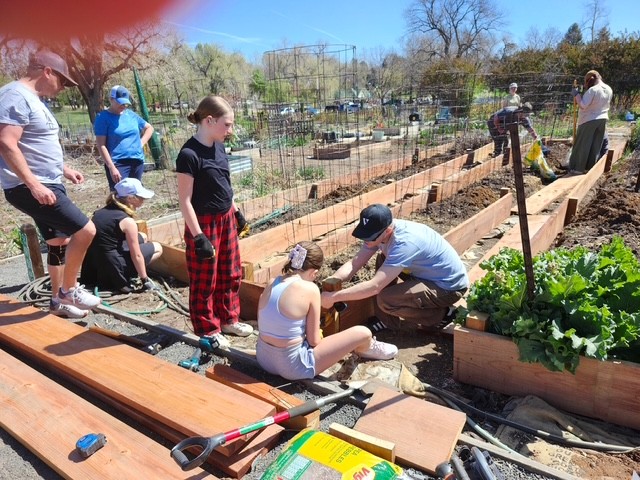
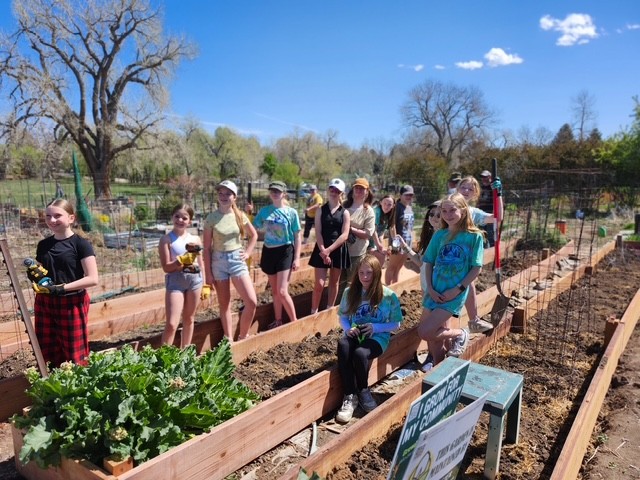
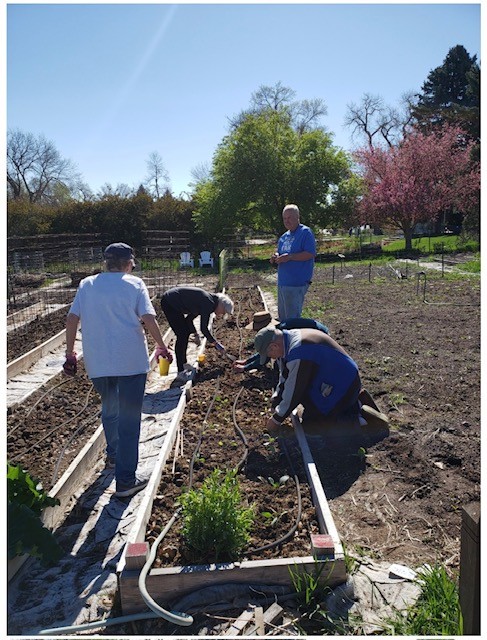
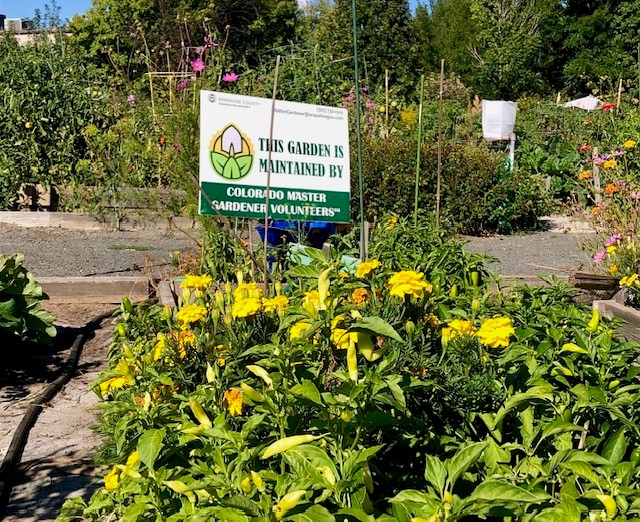
The Littleton Pea Patch has been a beloved corner of the City of Littleton’s community garden for more than 40 years. We are a plot tended by trained volunteers in the Arapahoe County Master Gardener program, science-backed gardeners who love getting their hands in the soil and sharing what they know.
Since 2011, our plot has had a single mission: grow the best possible food and donate it freely to local food banks. Along the way, we have built lasting friendships with our fellow Pea Patch gardeners and with the community we serve.
What we grow
Everything in the Pea Patch is organically grown because we believe good food should be safe for everyone who eats it. Our volunteers plant and tend a wide variety of vegetables and herbs throughout the season, harvesting regularly to keep produce as fresh as possible for donation.
- Kale and Swiss chard
- Tomatoes and peppers
- Cucumbers, zucchini and summer squash
- Carrots and other root vegetables
- Rhubarb
- Fresh herbs including basil, tarragon and dill
Who we feed
Every pound we grow goes directly to food banks serving families across our community. Since 2011, we have donated over 25,000 pounds of fresh, organic produce, food that might otherwise be hard to access for neighbors facing food insecurity. We partner with local food banks who distribute produce quickly, ensuring it arrives fresh and nutritious. Our volunteers make regular deliveries throughout the growing season each summer.
Our food bank partners
- Parish Pantry at St. Mary’s Catholic Church
- A long-standing partner in our mission to combat food insecurity, Parish Pantry in Littleton, staffed entirely by volunteers, opens its doors every Monday to provide a steady supply of groceries for neighbors right here in our community.
- Life Center Littleton
- Based on South Datura Street in Littleton, the Life Center is a full community resource center serving neighbors facing hardship. Their food bank provides emergency support for individuals and families in short-term need, as well as long-term assistance for seniors, people with disabilities and those managing chronic illness – all in a warm, welcoming environment.
- Backpack Society
- Backpack Society exists for one reason: to make sure no child in our community goes hungry over weekends and school breaks. This 100% volunteer-run nonprofit partners with more than 70 schools across the Littleton, Douglas County and Englewood school districts. During the school year, they help send kids home on Fridays with a bag of six meals and snacks so they can come back to school on Monday ready to learn.
Pea Patch Dispatch
Read October’s edition of the Pea Patch Dispatch. You’ll learn about putting your garden to bed and some best practices in collecting seeds for next year.
Pollinators

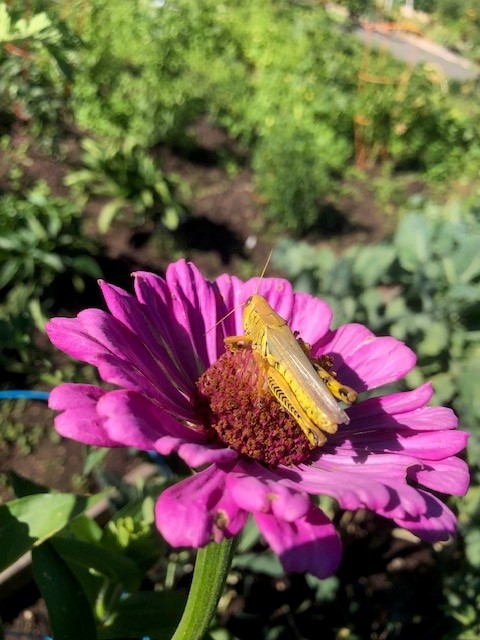
A great time was had at the recent pollinator talk. If you missed it, this webinar with Lisa Mason, Arapahoe County’s Horticulture Agent, is another option. The Native Bee Watch website is a terrific resource for those wanting to learn more about Colorado’s native bees. Inspired to create your own pollinator habitat? This Fact Sheet has what you need to get started.
Our gardening community has donated about 715 lbs of fresh veggies to our food bank partners.
Donation pick ups on Tuesdays and Thursdays by 10:00 AM and Sundays by 1:00 PM.

How Do I Know If My [Insert Veggie Here] Is Ready to Pick?
We get lots of questions about how to know when vegetables are ready to be picked. Rightfully so, even some Master Gardeners aren’t sure about the prime time to pick some of the veggies in our garden. We’ve put together tips on a few of the most common vegetables we’re asked about.
- Hot and sweet peppers are mature when they reach average size and color. Many varieties will turn from dark green to red, orange, yellow or purple provided you give them enough time to ripen on the plant.
- Tomatoes are ripe when they have grown to full size and the right color for the variety you’re growing. A big, red heirloom tomato is going to take longer to ripen than a small golden pear-shaped tomato.
- Onions are harvested in late September to early October before a hard freeze. The leaves should turn yellowish brown and start to fall over before you lift (don’t pull) them out of the ground.
- Winter squash and pumpkin are ripe when their skins appears dull and waxy and the rind can’t be easily scratched with a fingernail. Harvest the fruits after a light frost by cutting the stem with a knife leaving at least a 1” stem to protect from decay during storage.
Looking for the best (and safest) ways to preserve your garden goodies? Extension has science-based information including instructions for canning at high altitude. Yes, it’s different.
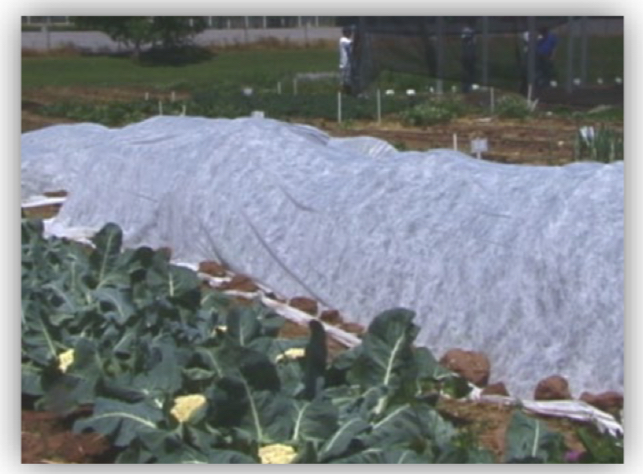
Extending the Garden Season
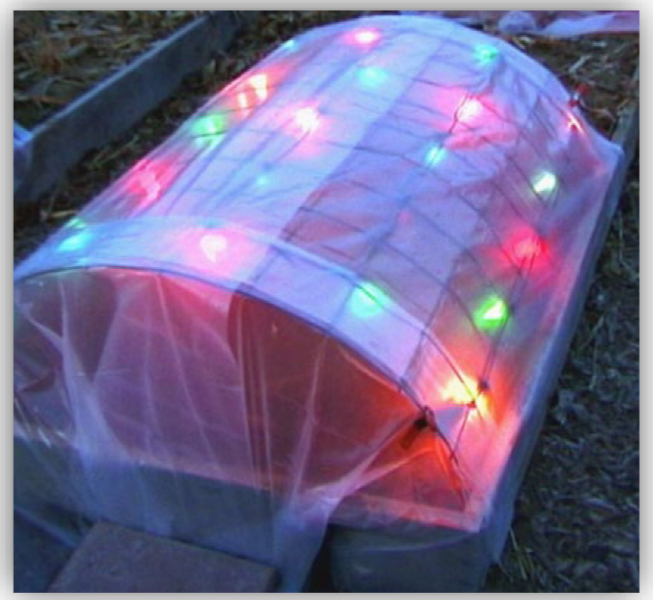
The average first frost is the beginning of October which means Jack Frost will soon be nipping at our tomatoes. With a few simple strategies though, you can extend the gardening season well into fall.
One simple way is to grow hardy vegetables like broccoli, Brussels sprouts, and Swiss chard that can withstand chilly nights and often taste better after a light frost. A thick layer of mulch around root crops like carrots, beets, and parsnips can keep soil temperatures stable, allowing you to harvest well after the first freeze.
An easy way to protect less hardy crops is to use row covers or frost cloths, whichtrap heat and protect tender plants from light frost while still allowing air, water, and sunlight through. For extra insulation, a hoop or low tunnel is great while a cold frame is hard to beat. Don’t forget to provide ventilation on warm sunny days so your plants don’t overheat. For more information on extending the season see this video from the Larimer County Master Gardeners. For DIYers, this video explains how to build cold frames and low tunnels.