


Animal Science
Jefferson County 4-H Market Beef Project
Raising and showing market beef offers youth a hands‑on opportunity to develop responsibility, confidence, and practical livestock‑management skills. While the process can feel intimidating at first, participating in the Market Beef Project helps members learn essential topics such as animal selection, daily care, nutrition, handling, and show preparation. This project provides a broad introduction to what it takes to successfully raise and exhibit a market steer, and exhibitors are encouraged to ask questions and seek guidance as they grow throughout the program.
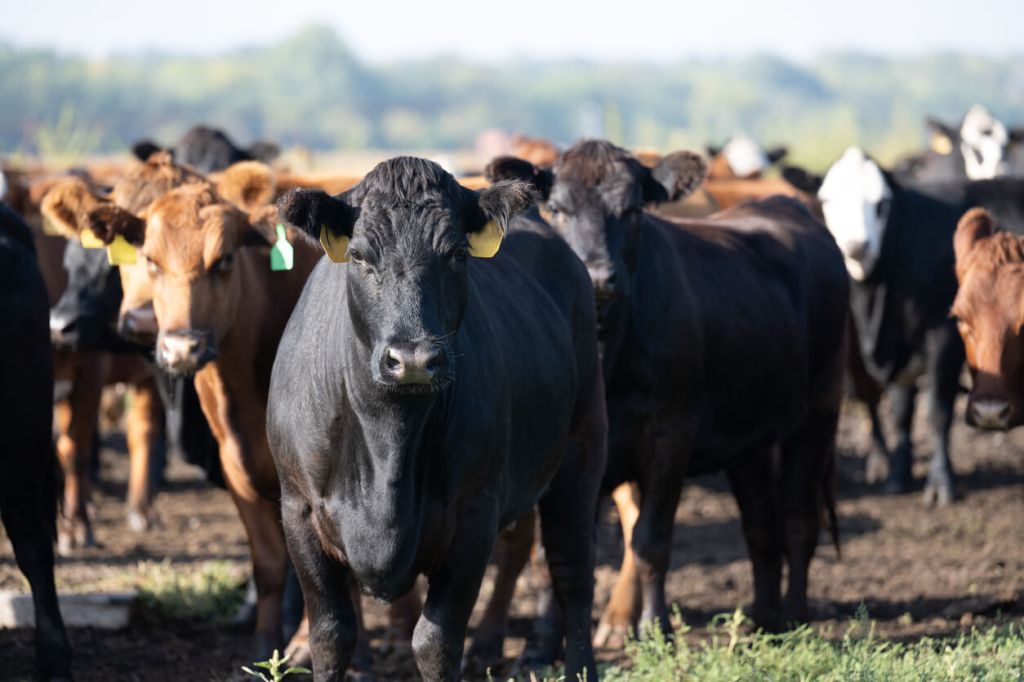
How to prepare for purchasing your animal
Before purchasing an animal and bringing it home, it is important to consider the needs of that animal. First, do you have an area with sturdy fencing? It is recommended to have at least a 100×100 foot space for one to four steers. This will give ample room for them to exercise. Having something solid to tie steers to is essential. It is also important to consider feeders and waterers. When considering a feeder, remember to make it a goal to eliminate waste and protect your cattle from consuming debris like rocks. Be sure to offer at least 2 gallons of fresh water/100 pounds of body weight in the summer months. Use a tank that is heavy enough they cannot tip or easily break it.
Your market beef will also need a wind or snow break or some sort of shelter for them to escape the snow, rain, wind, hail, and other weather. Cattle will not likely need heat lamps in the winter if they are able to stay dry and protected from the weather. In some instances, producers will move trailers into pens to give a break from wind and blowing snow/rain if they do not have other shelter options.
Purchasing your animal
The majority of market beef are born in the spring of the year before county fair and are purchased in the fall months. You can buy them slightly earlier or later than that but it is important to consider their weight when you buy them. A few things to consider for this are: average daily gain and the number of days you will have them on feed. The deadline for ownership is Feb 1st and 4HOnline identification deadline is May 1st. Weigh in is typically in Feb. The minimum weight for the Jeffco 4-H Fair is 1,000. Average Daily Gain (ADG) for beef is 2-3 lbs. Below is how to calculate the weight your animal needs to be at time of purchase:
Calculate # of days on feed:
Purchase date – weigh in date = total days on feed
Oct 18 to Aug 1 = 288 days
Calculate pounds to be gained:
Total days on feed * ADG = pounds to be gained
288 days * 2.5 lbs ADG = 720lbs
Find start weight:
Target weight – total pounds to be gained = target starting weight
1,400 lbs – 720 lbs = 680 lbs
Feeding your animal
Putting fat on an animal is harder in the summer months, so it’s important to ensure adequate nutrition for growing is provided in the winter. To push fat development, feed a feed that is higher in fat percentage. It takes 4.5-7.5 pounds of feed to achieve one pound of gain. You should try to feed 2% of the animal’s body weight daily. This means you will have to weigh your animal periodically to increase feed intake as your animal grows. You will also want to feed hay or alfalfa daily. Cattle rely heavily on forages, like hay, to get essential nutrients and to ensure a healthy rumen environment. Forages keep the pH of the rumen at a normal level. If fed too much grain with not enough forage, cattle will get acidotic and can bloat, potentially leading to death.
Teaching to lead
It shouldn’t take much more than a week to teach your show stock to lead. Always stand on the left side of your animal and use gentle pressure to teach your animal to respond by slightly pulling on the halter. Never yank. Once the animal is moving, release the pressure.
Start small. Set attainable goals in terms of distance that you can meet and then increase. Don’t expect your animal to be led long distances immediately. Allow them the time necessary to become comfortable with your command and guidance before expecting them to perform at show levels.
Supplies for show preparation
- Hoof Trimming: One month before County Fair, consider getting hooves trimmed. This allows for an even walking surface and allows for more comfort.
- Cattle Clippers: Large & small clippers with multiple attachments. Small clippers with short attachments help you groom hard-to-reach places like inside ears. Be sure to use a blade lubricant to keep your clippers functioning properly.
- Livestock Blower: A blow dryer will help the hair to stand up & make clipping easier and will generally help fluff the coat.
- Topline Brush: This stiff brush will help the topline hair stand up for accurate clipping.
- Hair Adhesive: You’ll want to get some advice in advance of show day about how to use this. Once you know, it will be useful for getting hair to stay in place once it’s clipped and brushed. Be warned, it’s very sticky and can make a mess if you don’t use it with caution.
- Scotch Comb: You’ll bring this into the showring to smooth any areas of hair when the judge feels your steer.
Common health concerns
- Bloat: Bloat is indigestion that shows in the form of excessive gas build up in the rumen, and is characterized by the appearance of swelling on the left side of the stomach. Feedlot bloat can be prevented by making sure 10-15% of the ration fed contains roughage and preventing abrupt changes in the diet.
- Acidosis: Ruminal Acidosis occurs when the pH of the rumen falls below 5.5 (normal range is 6.5-7.0). In most cases this happens when cattle consume too much of a highly digestible carbohydrate such as barley or other grains. Treatment includes feeding long-stem dry hay, free-choice or force-fed baking soda (sodium bicarbonate), and rumen probiotics to repopulate the rumen with “good bugs.”
- Ringworm: Ringworm is caused by many types of fungus. It causes circular lesions in the skin and hair loss. Prevent by sanitizing combs, halters and other items frequently and washing animals with Ring Out (or similar product) after shows. Treat with topical creams obtained from a veterinarian.