


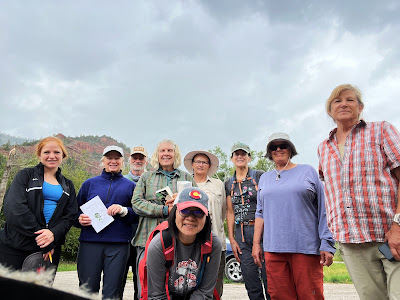
Last Thursday I led a native fruit field trip that we call “Native Fruits and Nuts of the San Miguel Basin.” This is a local class I developed and have taught several times over my years with Extension. I enjoy it very much! I thought I would share a little about the day and what we learned.
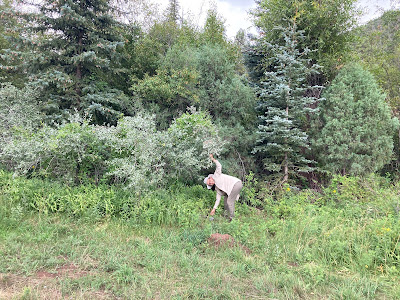
The San Miguel Basin refers to the San Miguel River watershed. It is also what we call the area covered by my Extension Office, San Miguel and West Montrose counties. For this class, we visited four locations from 9800′ feet elevation in the mountains to 6800′ elevation along the San Miguel River. At each location, we looked at plants that produce edible fruit and learned identification characteristics. We also talked about poisonous plants and the importance of being sure about your identification. The class was also given a booklet that gives identification keys, plant habitat and uses, including recipes. We even harvested several kinds of fruit to make something yummy to share with each member of the class.
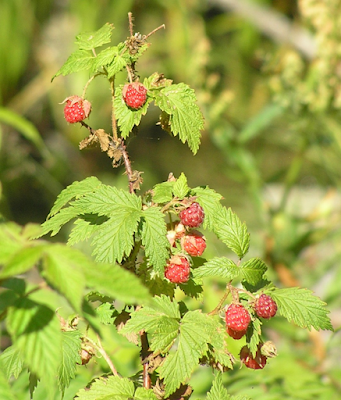
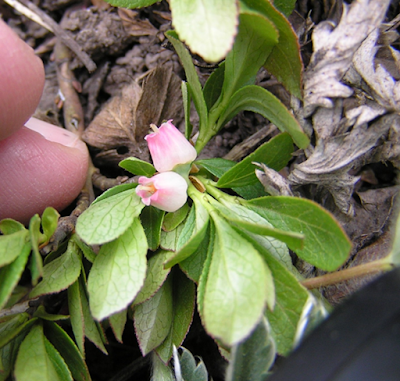
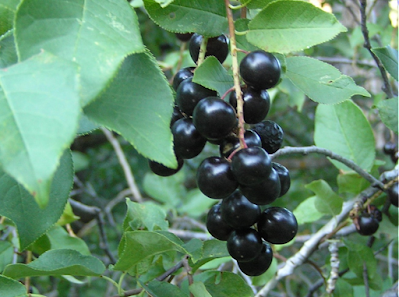
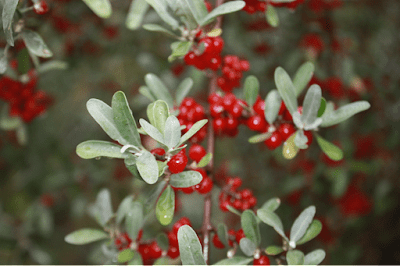
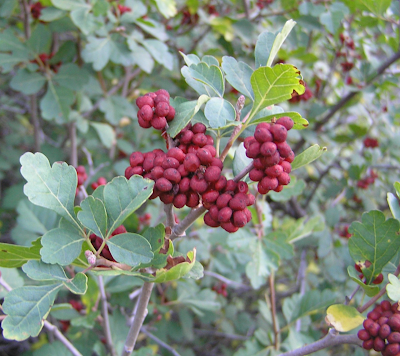
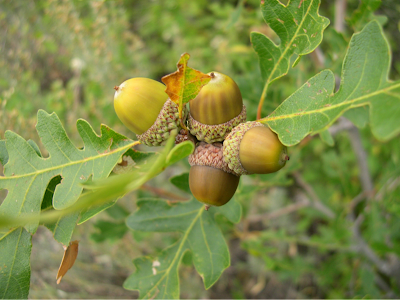
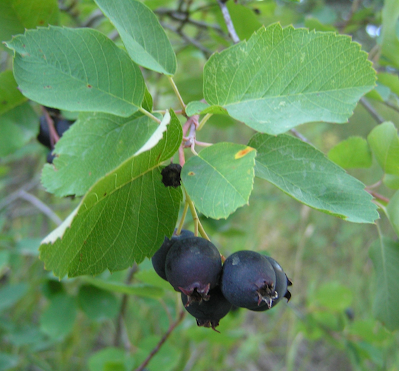
Some of the plants we saw in fruit were gooseberries (Ribes inerme), mountain currants (Ribes montigenum), Oregon grape holly (Berberis repens), blueberries (Vaccinium myrtillus), raspberries (Rubus idaeus), bilberries (Vaccinium cespitosum), raspberries (Rubus idaeus), chokecherries (Prunus virginiana), buffalo berries (Shepherdia argentea), lemonade berries (Rhus trilobata), gamble oak acorns (Quercus gambelii), and service berries (Amelanchier alnifolia).
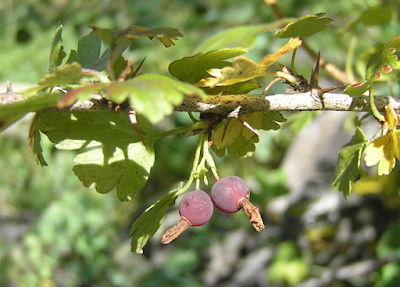
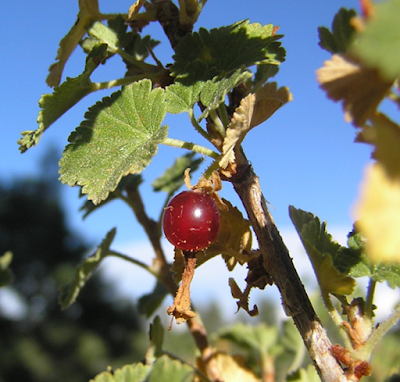
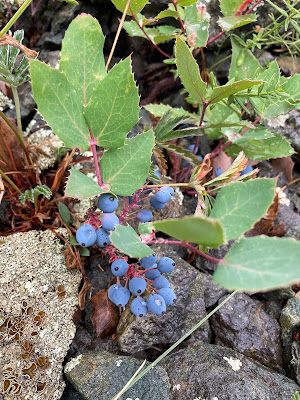
I hope you enjoyed this picture blog of native fruits. I would love to know your favorites, and how you prepare them!