Harvesting Inspiration: Fall Foraging for Seasonal Crafting
By: Rachel Juritsch, Adams County 4-H Health & Well-being Specialist
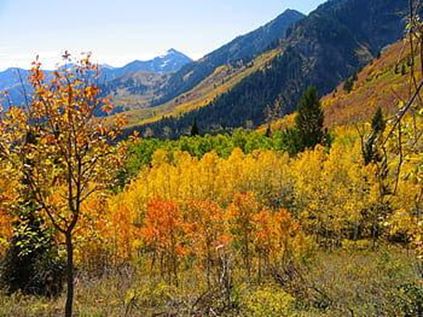
Autumn, the pause between the heat of the summer and the cold of winter, is a perfect time to get outside! In my fall afterschool programs, I make it a priority to bring students outdoors whenever possible. After a long day in the classroom, often spent in front of screens, students need a chance to stretch, move, and recharge in a different environment.
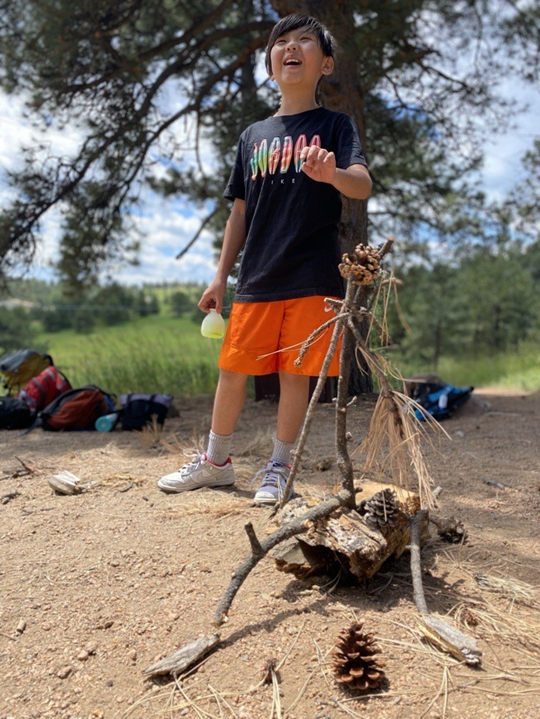
But outdoor time does not have to mean just playing on the playground. I like to take it a step further by incorporating nature exploration and art. These activities not only make time outside more engaging, but they encourage students to observe their surroundings with a different lens. Whether we are nature journaling, collecting materials for a craft, or simply noticing the sounds around us, these moments help youth slow down and explore their natural spaces.
The best part? Nature exploration and art are not limited to afterschool programs. They can easily be woven into everyday family routines. A walk through the neighborhood, a quick trip to the park, or even time spent in the backyard are perfect.
Combining nature and art not only sparks youth imagination but also offers a host of developmental benefits. These include improved mental health and emotional well-being, enhanced sensory awareness, and a stronger connection to the natural world. Additionally, these activities can foster and promote multi-generational family engagement. Caregivers and children share in the experience together as they walk side by side looking for their art materials. https://www.childrenandnature.org/resources/research-digest-nature-and-art/
Before you go:
- Practice the Leave No Trace Seven Principles: A set of principles that helps guide people to minimize their impact on nature, ensuring it remains healthy and enjoyable for future generations.
- Plan Ahead & Prepare
- Travel & Camp on Durable Surfaces
- Dispose of Waste Properly
- Leave What You Find
- Minimize Campfire Impacts
- Respect Wildlife
- Be Considerate of Other Visitors
- “Leave What You Find” is an important principle to keep in mind when exploring nature and creating art. Avoid picking living plants or disturbing natural habitats. Instead, collect only what you truly need—such as fallen leaves, twigs, or small rocks—for your project. Practicing this “Leave No Trace” principle helps preserve the environment so that others can enjoy the space in its natural beauty. It also teaches youth to respect and protect natural spaces for futures generations.
Let’s talk
An effective way to encourage youth to spend less time on screens is to model that behavior yourself. Step away from your own devices and go on a nature adventure with your youth. These shared experiences not only reduce screen time but also support mental, emotional, and physical well-being for both youth and adults. When young people see the adults in their lives prioritizing time outdoors or engaging in art, they’re more likely to do the same. It is not just about setting limits, it is about showing them a healthier, more balanced way to spend their time.
Activity for health
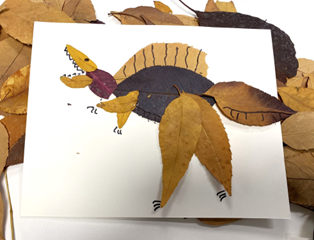
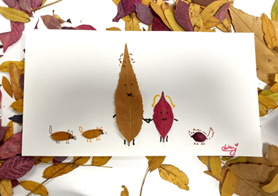
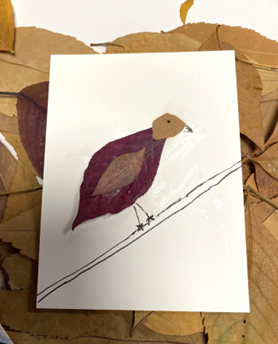
Permanent Art – Leaf Animals:
- Materials: leaves, markers, glue or tape
- Collect leaves: Go for a walk in your neighborhood or your local park and collect a few leaves.
- Gather supplies: Brings all the materials you need to a table.
- Get artsy: With the leaves, paper, and glue, let your brain go wild and create your favorite animal, your family, or even a jet!
Temporary Art – Andy Goldsworthy
- Materials: Anything in nature
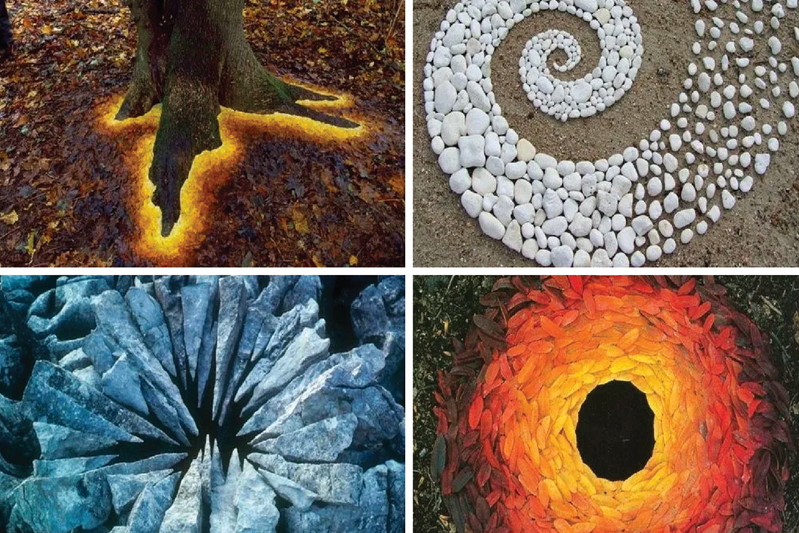
- Learn about Andy Goldsworthy: He is an English sculptor, photographer, and environmentalist who creates place-based art located in natural or urban settings. The only materials used are the ones found in nature. All art can be broken down and put back into nature.
- Collect nature items: Go for a walk in your neighborhood or your local park and collect items.
- Get artsy: Create your very own Andy Goldsworthy art!
- Deconstruct your art: The beauty of Andy Goldsworthy art is that it has little impact on nature. When you are done crafting your artwork, make observations about each other’s artwork, take pictures, and then deconstruct your art so that nobody ever knew you were there!