Introduction
Water is a limited resource in many places in Colorado. It is important to understand how we can protect water quality and minimize our water quantity uses.
Water quantity
Colorado has a semi-arid climate and water is a very limited resource in many places. The average yearly precipitation in Colorado is 17 inches. However, the San Luis Valley and parts of south central Colorado receive an average of less than 12 inches of precipitation each year and many mountainous regions receive an average of 40 inches of precipitation or more each year. Do you know how much precipitation your area receives?
In addition to climate limitations, water regulations may also determine the amount of water you have available to use at a given time. Know your water rights. For example, if a ditch flows through your property, you may not have the right to use the water. Know what water uses your well is permitted for. Many rural wells are designated household-use-only which means water can be used only within the home, with no outside watering, including gardens and livestock uses. Contact the Colorado Division of Water Resources to find out what your water rights are.
How can I conserve water on my property?
- Irrigation Scheduling: The Water Balance Approach | CSU Extension
- Lawn Irrigation Audit Tutorial | CSU Extension
- Rainwater Collection in Colorado | CSU Extension
- Xeriscaping: Trees and Shrubs | CSU Extension
- SARE Smart Water Use
- Taking Care of Your Groundwater DVD – Mountain and Plains Regional Water Project produced through Montana State University
Water quality
Because water is such a limited resource in Colorado, we need to protect the quality of our water.
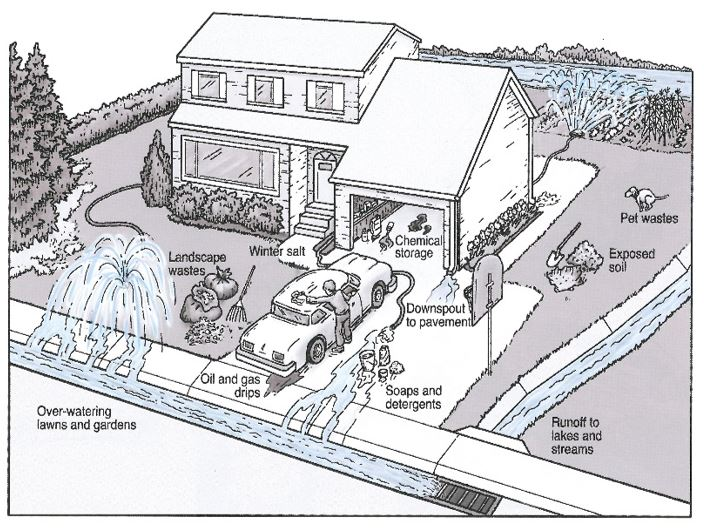
Many potential sources of pollution exist around a typical home or farm that may impact water quality.
How can I prevent water pollution?
- Protect Riparian Areas:
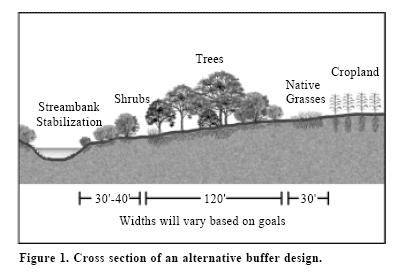
- Create or maintain a Riparian Buffer at least 50 feet to 250 feet from the water’s edge
- Allow very limited or no grazing within the buffer to maintain healthy vegetation
- Plant native trees, shrubs, and grasses in the buffer area
- Avoid storing manure or corralling animals within the buffer area
- Use only water-safe herbicides within the buffer area
- Find out how much water your plants and/or crops need to avoid over-irrigating. Over-irrigating leaches soil nutrients, causes erosion, and spreads fertilizer and pesticides.
- Dispose of manure, bedding, and feed wastes by composting, spreading on crops, or hauling it to a composting or disposal facility.
- Read fertilizer, herbicide, and pesticide labels carefully and only use the recommended amounts.
- Properly store and dispose of chemicals, used motor oil, and other toxic substances. Contact your county health department for local toxic substance disposal info.
Why is it important to protect wetlands and areas along a stream?
A Riparian Area is the area adjacent to a surface water body. Riparian vegetation can function as a natural filter for contaminates that can runoff from surrounding areas. We can protect stream water quality by maintaining a vegetative buffer of 50 feet to 250 feet from the water’s edge. Within the riparian buffer, limit or discontinue grazing to maintain a healthy stand of vegetation. To protect water from excess nutrients and sedimentation, do not allow animal access to streams, ponds, or other water bodies.