


Animal Science
Jefferson County 4-H Market Poultry Project
Preparing for and showing livestock can be an extremely rewarding and educational experience for youth. The lessons learned in showing and raising livestock are invaluable. However, it can feel very intimidating to begin. This is a broad overview at how to prepare for showing market poultry. All exhibitors are encouraged to ask questions as they grow through the program.
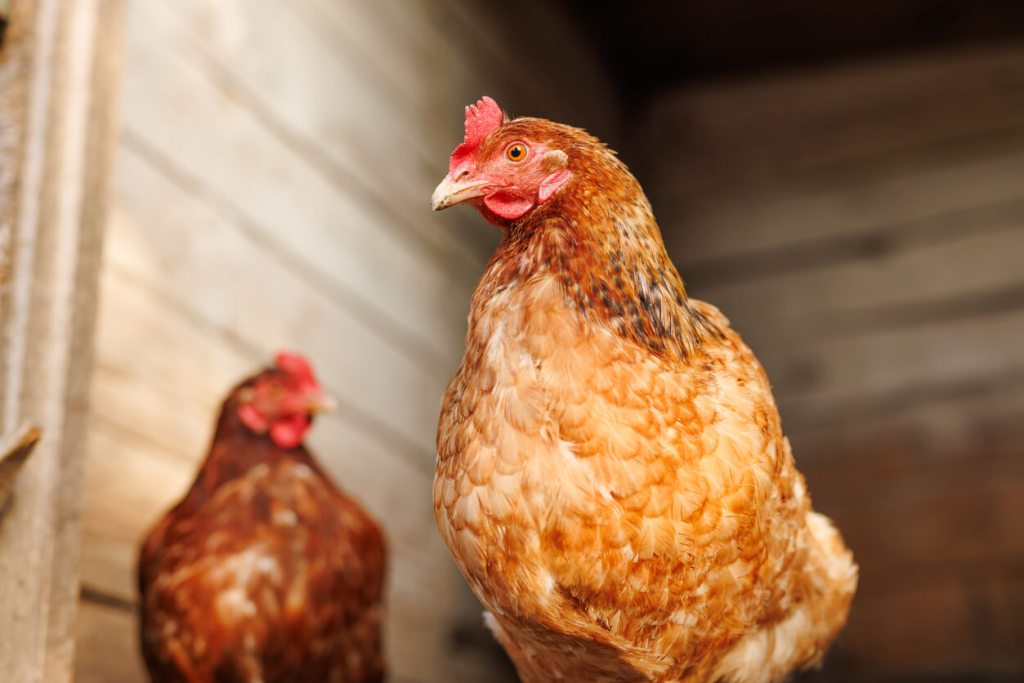
How to prepare for purchasing your animal
To start, you will need to decide what poultry project you wish to do. You can show market chickens or market turkeys. Before purchasing an animal and bringing it home, it is important to consider the needs of that animal. First, do you have a well fenced area? It is recommended to have at least 2-3 square foot space for each adult bird. This will give ample room for them to exercise. It is also important to consider feeders and waterers. When considering a feeder, remember to make it a goal to eliminate waste. For waterers, make sure whatever is used is big enough to hold the water the animal needs in a day and is heavy enough they cannot tip or easily break it.
Your market poultry will also need a wind or snow break or some sort of shelter for them to escape the snow, rain, wind, hail, and other weather. Market poultry do better when they can see or interact with other birds. You can easily easily convert buildings and sheds to suite the needs of your animals. Shade will also need to be ample in summer months to prevent over heating.
Purchasing your animal
The majority of market poultry are purchased in the months of May and June. Many times you can order chicks by mail or purchase them from local farm stores. The ownership deadline for market poultry is June 15th and all project animals must be identified in 4HOnline by July 9. It is important to remember there are certain breeds that are considered meat breeds, and only these can be shown as market birds. There are also weight and age limits.
Market Chickens:
Age: 5 weeks to 7 months old
Weight: 3.5-11 pounds with no more than 0.5 lbs of weight different in pens of 3; animals not making pen requirements are shown as individual fryers
Breeds: Cornish, Cornish Cross, Cochins, Jersey Giants, Cubulaya and Shamo
Market Turkeys (Individual):
Gender: male or female
Age: 16-24 weeks old
Weight: maximum of 30 pounds
Breeds: Bronze or white commercial breeds
Feeding your animal
There are many feeds available for your market poultry. You can do your research to determine which you feel most confident about. You can ask your breeder and other livestock exhibitors for advice on what to feed.
Feeding Market Chickens – Broiler and Roaster Feed Schedule
0-14 days: Turkey or Game Bird Starter (26 to 31 percent protein)
14-35 days: Broiler Starter (24 to 26 percent protein)
35 day-Finish: Broiler Finisher (21 to 23 percent protein)
Feeding Market Turkeys – Feed Schedule
0-12 weeks: Turkey or Game Bird Starter (26 to 31 percent protein)
12-22: Broiler or Turkey Finisher (21 to 24 percent protein)
Water is also extremely important. Water is directly related to feed intake. The water source needs to be clean, fresh, abundant, and it is vital to keep your water at room temperature for younger chicks as cold water can chill small chicks and negatively affect their overall health.
Handling your birds
Proper handling is important for both the safety of you and your birds. When catching your birds, never pick them up by the wings or one leg as this can severely injure them. You should gently move them into a small area then grab both shanks of the bird’s legs and quickly lift the bird off the floor. In this position, the bird’s head should face down while its back rests against the holder. The bird may flap its wings so you need to make sure you are not close to any objects that might cause the bird to bruise or break its wings. When carrying your bird you should always put your arm over the wings and hold onto the shanks. It is essential to remember to hold your birds gently and to take caution when transporting them as they can easily be bruised or injured.
Selecting which birds to show
As you get closer to show, you need to look for any birds that might have physical defects that would cause them to be sifted down in placings at the show include:
- Cuts and tears in the skin
- Broken bones
- Bruises on the skin or flesh
- Blisters on the breast or heavy calluses
- Ulcers or sores on the footpads
- Insect bites
- External parasites
Materials for show preparation
- 2 buckets
- Soap
- Scissors
- Warm water
- Paper towels
- Soft clothes
- Blow dryer
- An old tooth brush
- Canine clippers
Before the show, it is important to have your birds clean and presentable. However, it is dangerous to give them baths or to wash them under a hose or hydrant because they can go into shock easily. Take a bucket with soapy water and a rag to clean spots of dirt or manure off them. Also wipe down their beaks, legs, and toes. you can use an old toothbrush to scrub off any stuck on dirt or manure on their legs and toes. Clip toenails if they are too long but be gentle and do not go too short. You may use scissors to trim feathers if necessary.
Common health concerns
- Feather Picking: Feather picking occurs when birds pluck other birds feathers out. If you notice this happening in your flock, it is typically caused by your birds being under stress. This stress can be induced by excessively bright lights, high temperatures, poor air flow, lack of available feed and clean water, or overcrowding.
- Fowl Pox: Fowl pox is a virus that is spread by mosquitoes that can affect both broilers and turkeys. There is no treatment for fowl pox, thus it is important to take preventative measures. If you are raising your flock in an area prone to large mosquito populations, then it is important to vaccinate your birds for fowl pox before two weeks of age.
- Parasites: External parasites include lice, mites or fleas. Common internal parasites are found in the digestive tract. Both can be prevented by maintaining a clean environment, it is not necessary to deworm your chickens and turkeys.
Approximate project expenses
Livestock projects can really add up in cost. It is important to ensure that you can afford your project before buying animals. It also is important to consider what you are likely to make from your project to offset the cost. Below is a breakdown:
Cost of purchasing your animal: $2-15/bird
Cost of feed:
Turkey or Game Bird Starter (1 bag): $35 (appx cost of 50 lb bag of feed)
Broiler/Turkey Finisher (1 bag): $25 (appx cost of 50 lb bag of feed)
- Total cost of feed: $60 (will likely feed 4 birds) = $15/bird
- Cost of vet/health: $20/bird (estimation but should be budgeted into figure)
- Supplies: $50/bird (estimation but should be budgeted into figure)
- Total Cost: $87-100/bird
Approximate Jeffco 4-H Sale Price (Auction or Private Treaty): $200-500/trio of market chickens or $50-250 per individual turkey