


Background
Play is one of the best things children can do for their health. When kids are active – running, dancing, kicking a ball, or just moving freely – they build stronger muscles and bones, sleep better, and feel happier. Physical activity also helps children focus in school, make friends, and feel good about themselves.
Every child deserves the chance to be active and have fun. This includes children of all abilities, learning styles, and personalities. The United Nations Convention on the Rights of the Child states that play is a right for every child and that children with disabilities have equal rights to recreation just like any other child.
When planning activities with your child, don’t forget to put on your CAP!

Capacity: what your child can do. Every child has different physical, sensory, and social strengths. The goal isn’t finding an activity your child can do perfectly, it’s finding one they can enjoy. Sometimes a small change, like a shorter turn, a quieter space, or a softer ball, makes all the difference. The question is never whether your child can participate, but how.
Age: where your child is right now. Young children (e.g., 3 to 6 years old) love to move and explore freely. School-age children (e.g., 6 to 12 years old) are ready to build skills, try team games, and push their comfort zone a little. Meet your child where they are today.
Preference: what your child enjoys. Children are more active when they have a say. Offer a couple of choices and let them pick. When kids feel ownership over the activity, they stick with it longer and have more fun doing it.
Where your child plays matters just as much as what they play. Think about the SPACE around them!
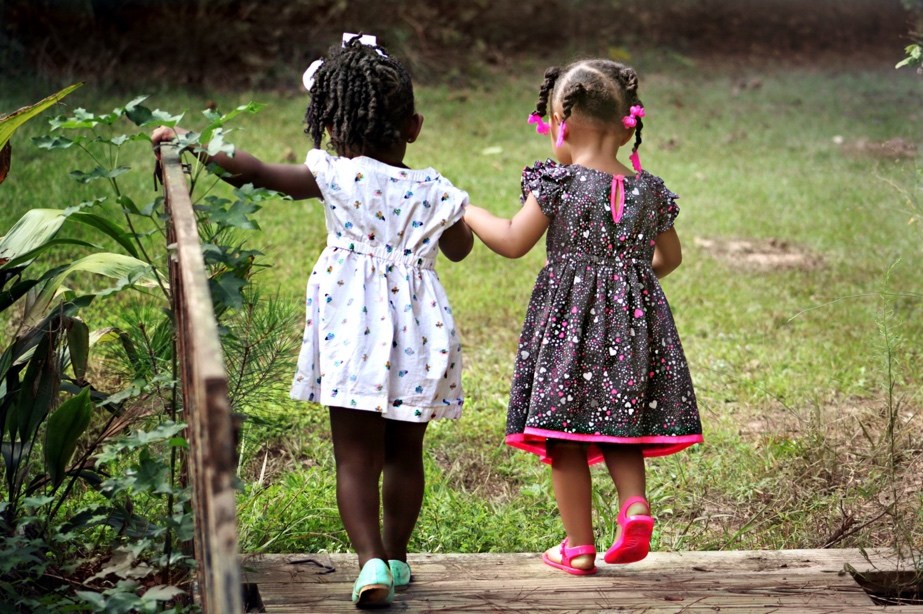
Social: Who is your child playing with? Family, friends, and welcoming staff all make activity more enjoyable. Look for programs where all kids play together – inclusive play builds confidence and friendship for every child. And remember, when you move with your child, even for 10 minutes, it makes a difference.
Physical: Is the space safe and easy to move through? A quieter park, a smaller group, or a familiar backyard may work better than a busy gym for some children. You don’t need special equipment – a walk around the block, a dance party in the living room, or a game of catch all count.
Attitudinal: The attitude of the people around your child matters. Coaches, instructors, and other parents who are encouraging and flexible set the tone. Focus on effort and fun, not performance. Celebrate trying something new, even when it feels hard.
Cultural: Active play looks different in every family. Dancing, martial arts, hiking, jumping rope, all of it counts. Honor the activities that feel natural and meaningful to your family, and use them as a starting point.
Environment: Think ahead. Is the time of day right? Is it too crowded or noisy? A little planning helps. Mix up the settings over time: outdoor play, a recreation center, a neighborhood sidewalk. Build different skills and keep things fresh.
Let’s Talk
Ask your child: “Where do you feel most comfortable playing?” or “What’s your favorite way to move your body?” Let them know that all kinds of movement count: playing tag, helping in the garden, walking to school, or splashing in a pool. If your child finds some activities hard, remind them: “You don’t have to be perfect, you just have to try.” If they feel nervous about a new place or group, visit it together first. Your encouragement matters more than any program or piece of equipment.
Activity for Health: Family Nature Hunt
A moving, outdoor adventure for all ages and abilities
What you need: A park, yard, or neighborhood block. No equipment needed.
How to play:
- Before you go, make a simple list of things to find: something round, something rough, something yellow, something that makes a sound.
- Head outside and search together. walk, wheel, skip, or stroll, all paces are welcome.
- When you find each item, act it out: jump like a frog, spin like a leaf, stomp like a bear.
- Keep going until your list is done or until someone wants a snack!
Make it work for every child: Keep the list short for younger or easily tired children. Let children who use mobility aids point and direct while others fetch. There are no right answers, creativity counts!