


Quick facts…
- Proper identification of edible flowers is important.
- Use flowers that are grown without pesticides.
- For the best flavor, use flowers at their peak.
- Introduce new flowers into the diet slowly to be able to pinpoint allergic reactions or stomach upset.
- Edible flowers may also be preserved in oils or vinegars.
Edible flowers have been used in the culinary arts for flavor and garnish for hundreds of years. While flower buds like broccoli and capers are commonly consumed, some flowers normally grown ornamentally can be eaten as well.
Many flowers are edible, but not all. Proper identification of the plant is essential because some flowers are poisonous and should not be eaten (Table 1). Many plants have similar or identical common names, which may cause confusion and misidentification. Always use the scientific name when choosing a flower, and if in doubt, do not eat it. Table 2 lists many flowers that can be added to food for flavor, aroma, color, or as a garnish.
Do not use flowers that have been sprayed with pesticides or collect flowers from plants that have been fertilized with fresh or uncomposted manure. Do not eat flowers from florists, garden centers, or nurseries since these flowers are not grown for consumption and may have been treated with chemicals that are not safe to eat.
Using Edible Flowers
To avoid stomach upset or to determine if there is an allergic reaction or other sensitivity, limit initial consumption and slowly incorporate larger quantities into the diet. Edible petals or entire flowers can be eaten. You may wish to remove stems, anthers, and pistils because they may be bitter (Figure 1). Use flowers that are free of insects and disease, and pick them at peak bloom. Many edible flowers are high in vitamin C and/or vitamin A, along with other essential nutrients.
Flowers may be used fresh or preserved for later use. Fresh flowers are commonly used as garnishes and in salads. Pick fresh flowers and gently rinse with cool running water. Place washed flowers between damp paper towels and refrigerate until ready to use. Some flowers may have an extended shelf life if washed just before use. Beyond fresh use, recipes including flowers may be found for baked goods, sauces, jellies, syrups, vinegars, honey, oil, tea, flower-scented sugars, candied flowers, wine, and flavored liqueurs. Note that flavored vinegars and oils prepared at home have a limited shelf life and should be stored in the refrigerator (Kendall and Rausch, 2012).
Fresh flowers can also be preserved for later use. Flowers can be dried, as herbs, or preserved in sugar. For sugar-preserved flowers, choose flowers with larger petals, like pansies, and paint the petals with an egg-white wash. Use a soft brush and pasteurized dehydrated egg whites to avoid food-borne illness. After painting, dust the petal with super-fine granulated sugar and dry it. Store preserved flowers in an airtight container in a cool, dark place. Note that some petals may change color during this process.
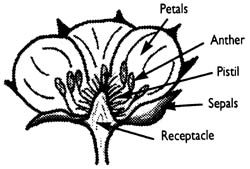
Table 1: Some common house and garden plants with toxic plant parts or toxic flowers (not a complete list, if in doubt, consult a poisonous plant reference).
| Scientific name | Common names | Scientific name | Common names |
|---|---|---|---|
| Achillea millefolium | Yarrow, milfoil | Lantana camara | Lantana, red sage, shrub verbena |
| Aconitum spp. | Monkshood | Lathyrus spp. | Sweet pea (seeds) |
| Cestrum spp. | Day blooming jasmine, Night blooming jasmine | ||
| Clematis spp. | Clematis, virgin’s bower | Lobelia spp. | Cardinal flower |
| Colchicum spp. | Autumn Crocus | Narcissus spp. | Daffodil, jonquil |
| Convallaria majalis | Lily of the Valley | Nerium oleander | Oleander |
| Daphne mezereum | Daphne | Nicotiana spp. | Flowering tobacco |
| Datura spp. | Jimson weed | Papaver somniferum | Opium poppy, common poppy |
| Delphinium spp. | Larkspur | Phoradendron spp. | Mistletoe |
| Dicentra formosa | Bleeding heart | Physalis spp. | Chinese or Japanese lantern |
| Digitalis purpurea | Foxglove, digitalis | Rhododendron spp. | Azaleas, rhododendrons, rose bay |
| Euphorbia spp.1 | Euphorbia | Ricinus communis | Castor bean, African coffee tree |
| Hippeastrum spp. | Amaryllis | Zantedeschia aethiopica | Calla lily |
| Hyacinthus spp. | Hyacinth | Zigadenus spp. | Death camas, alkaligrass, wild onion |
Table 2: Recommended plants with edible flowers.
| Plant name | Type 1 | Flower color | Bloom | Taste | Fragrance | Comments and hints |
|---|---|---|---|---|---|---|
| Abelmoschus esculentus Okra, gumbo, gombo | A | Yellow, red | Mid-July to August | Mild, sweet, and slightly mucilaginous | — | Full sun, hot weather; prefers clay to clay loam. |
| Agastache foeniculum Anise hyssop | P | Lavender | July to frost | Strong anise, sweet, licorice | — | May die back to the ground; readily reseeds; full sun to light shade; well-drained soil. |
| Alcea rosea Hollyhock | P | Various | July to frost | Little, slightly bitter | — | Best as a garnish or container for dip. Full sun to light shade. |
| Allium schoenoprasum Chives | P | Lavender, red to purple | May to June | Onion, strong | Onion | Separate florets to serve. Forms clumps; part shade to full sun; indoors. |
| Allium tuberosum Garlic chives | P | White | August to frost | Onion, strong | Onion | Separate florets to serve. Partial shade to full sun; also indoors. |
| Anethum graveolens Dill | A | Yellow | June to frost | Stronger than leaves | Dill | Resows readily, tolerates poor soil but prefers well-drained soil; full sun. |
| Anthemis nobilis English chamomile | P | White petals; yellow center | Late June to frost | Sweet apple flavor | — | Ragweed sufferers may be allergic to chamomile; drink no more than one cup of tea per day. Prefers moist, well- drained soil; full sun to part shade. |
| Anthriscus cerefolium Chervil | A | White | May to June | Parsley-like, hint of citrus, tarragon | — | Start in cold frame. |
| Begonia x tuberhybrida Tuberous begonia | TP | White, pink, yellow, red, orange and combinations | July to August | Citrus | — | Grow indoors or out; dig tubers each fall, just after frost and store; prefers moist, fertile soil; part to full shade. Only hybrids are edible. |
| Bellis perennis English daisy | P | White to purple petals | April to September | Mild to bitter | — | Use as a garnish or in salads. It thrives in cool weather; prefers full sun and moist soil. |
| Borago officinalis Borage | A | Blue, purple to lavender | June to July | Cucumber | — | Use as garnish; may be candied. Full sun; light, poor, dry soil. Attracts bees. |
| Brassica spp. Broccoli, cauliflower | B (grown as A) | Buds: blue-green; yellow flower, white buds in cauliflower | June to August | Broccoli | — | Vegetable. Prefers full sun; rich, well-drained soil. Sow indoors six weeks prior to transplantation. |
| Brassica spp. Mustard | A | Yellow | April to May | Mustard, hot | — | Salad garnish. Watch for allergies. |
| Calendula officinalis Calendula, pot marigold | A | Yellow, gold/orange | June to August | Tangy and peppery | — | Ornamental. Dries well. Prefers cool weather; rich loam; direct sow. |
| Carthamus tinctorius Safflower, American safflower, saffron | A | Yellow to deep red | August | Bitter flavor | — | May impart a yellow color to cooked foods. Full sun; light, dry, well-drained soil; start indoors and transplant. |
| Cercis canadensis Redbud | P | Pink | April | Beanlike to tart apple | — | Native tree to U.S. Full sun to part shade; sandy loam; difficult to transplant. |
| Chrysanthemum coronarium Edible chrysanthemum, shungiku | P | Yellow to white | August to October | Mild | — | Ornamental. Full sun; rich, moist, well-drained soil. |
| Chrysanthemum leucanthemum Oxeye daisy | P | White/yellow center | April to August | Mild | — | Use as a garnish or in salad. Noxious weed in Colorado. |
| Cichorium intybus Chicory | P | Blue to lavender | July to frost | Pleasant, mild-bitter similar to endive | — | Considered a weed. Grows in most soils; sun to shade; Noxious weed in Colorado. |
| Citrus limon Lemon | P | White | Varies with variety | Citrus, slightly bitter | Sweet floral | Subtropical tree but may be grown indoors. |
| Citrus sinensis Orange | P | White | Varies | Citrus, sweet/strong | Perfume, sweet | Subtropical tree but may be grown indoors. |
| Coriandrum sativum Coriander | A | White | June to frost | Like leaf but milder | Fragrant | Herb. Sow continuously for several harvests; sun; rich, well-drained soil. |
| Cucurbita spp. Squash or pumpkin | A | Orange, yellow | July to August | Mild, raw squash | Slightly floral | Vegetable. Enrich soil with compost; prefers full sun. |
| Cynara scolymus Artichoke | A | Immature head: green | Fall | Artichoke | — | Prefers rich soil, abundant moisture; Biennial plant, start with transplants. |
| Dendranthema x grandiflorum Garden Chrysanthemum | P | Red, yellow, pink, orange, purple, white | August to October | Varieties differ, strong and bitter | Pungent | Ornamental. Full sun; rich, moist, well-drained soil. |
| Dianthus spp. Dianthus or pinks | P | Pink, white and red | June to August | Spicy, cloves | Some varieties are spicier | Ornamental. Tolerates a wide range of soils; full sun. |
| Eruca vesicaria Rocket, arugula | A | White | May to frost | Nutty, smoky, less piquant than leaves | — | Salad green. Sow continuously for harvest; full sun to light shade; well-drained soil. |
| Feijoa sellowiana Pineapple guava | P | White to deep pink | Grow indoors | Floral flavor; papaya or exotic melon | — | Grow indoors in a greenhouse. Rich,well-drained soil; full sun-light shade. |
| Foeniculum vulgare Fennel | P | Pale yellow | July to August | Licorice, milder than leaves, sweet | — | Tolerates a wide range of soils; part shade to full sun. |
| Hemerocallis fulva Daylily | P | Tawny orange | June to July | Cooked, combination of asparagus/zucchini | — | All parts are edible. Full to part shade; easy to grow. Many Lilies contain alkaloids and are NOT edible. Day Lilies may act as a diuretic or laxative; eat in moderation. |
| Hibiscus rosa-sinensis Hibiscus, China rose, Rose-of-China | P | Orange, red or purplish red | Late summer | Citrus/cranberry flavor | — | Subtropical tree but may be grown indoors. Used in many tea flavorings. |
| Hibiscus syriacus Rose-of-Sharon | P | Red, white, purple, violet | July to August | Mild, nutty | — | Shrub. Prefers well-drained soil; full sun to part shade; deadhead to keep blooming. |
| Hyssopus officinalis Hyssop | P | Blue, pink, white | July to October | Bitter; similar to tonic | — | Used to flavor chartreuse, a liqueur; strong flavor. Prefers part shade and well-drained soil. |
| Lavandula angustifolia Lavender | P | Lavender, purple, pink, white | June to early August | Highly perfumed | Floral | Taste may be very strong depending on the plant. |
| Levisticum officinale Lovage | B | Yellow, white | August | Mild celery | — | Herb. |
| Malus spp. Apple or crabapple | P | White to pink | May | Slightly floral to sour | Sweet floral | Petals may be candied. Seeds are poisonous. Specimen tree, prefers full sun, fertile soil. |
| Melissa officinalis Lemon balm | P | Creamy white | July to August | Lemony, sweet | Lemon | Herb. May be aggressive in gardens. |
| Mentha spp. Mint | P | Lavender, pink to white | July to September | Minty; milder than leaves | Fresh, minty | Herb. May be aggressive in gardens; tolerates a wide range of soils; prefers part shade. |
| Monarda didyma Bergamot, bee balm, Oswego tea | P | Red, pink, white, lavender | July to August | Tea-like, more aromatic than leaves | Sweet, perfumed | Attracts hummingbirds and butterflies; part shade to full sun; prefers moist, rich soil. Powdery mildew when grown in part shade. |
| Muscari atlanticum, M. botryoides, Grape hyacinth | P | Pink, blue | April to May | Grapey, slightly sour with bitter aftertaste. | Grapey | Bulb. |
| Ocimum basilicum Basil | A | White to pale pink | July to frost | Milder than leaves, spicy | — | Well-drained rich soil; full sun. |
| Origanum majorana Marjoram | TP | Pale pink | June to August | Spicy, sweet | — | Herb. Prefers full sun and dry, alkaline, well-drained soil. |
| Origanum spp. Oregano | P | White | June to August | Spicy, pungent-like leaves | — | Herb. Prefers full sun and dry, alkaline, well-drained soil. |
| Pelargonium spp. Scented geranium | TP | White, red, pink, purple | Varies | Like variety selected, e.g., rose, lemon; varies | Mild | Ornamental. Prefers full sun; light, dry well-drained soil. |
| Phaseolus coccineus Scarlet runner bean | TP | Bright orange to scarlet | July to August | Raw bean but milder | — | Vegetable. Flower crunchy; used in salad. |
| Pisum sativum Garden pea | A | White, tinged pink | May to June | Raw peas | — | Vegetable. Prefers full sun; sandy, well-drained soil. |
| Poterium sanguisorba Burnet | P | Red | July to August | Cucumber | — | Salad herb. May be aggressive in gardens; tolerates wide range of soil; sun or part shade. |
| Prunus spp. Plum | P | Pink to white | April to May | Mild, like flower nectar | Sweet | Petals candy well. Pits of mature fruit are poisonous. |
| Raphanus sativus Radish | A | White, pink, yellow after planting | One month | Spicy | — | Prefers full sun; well-drained, sandy soil but will grow in almost any soil. |
| Rosa spp. Rose | P | White, pink, yellow, red, orange | May to June, September | Highly perfumed; sweet to bitter | Rose | Ornamental. Remove sour petal base. Full sun; rich, well-drained soil. |
| Rosmarinus officinalis Rosemary | TP | Pale blue, dark blue, pink, white | Depends on cultivar | Mild rosemary | Delicate | Herb. Do not cook flowers. Tolerates full sun to part shade; well-drained, evenly moist soil. |
| Salvia elegans Pineapple sage | TP | Scarlet | September | Pineapple/sage overtones | — | Herb. Prefers full sun; light, well-drained soil. |
| Salvia officinalis Garden sage | P | Blue, purple, white, pink | May to July | Flowery sage, slightly musky | — | Herb. Full sun to light shade; sandy, well-drained soil. |
| Satureja hortensis Summer savory | A | Pink | July to August | Mildly peppery, spicy | — | Herb. Prefers full sun; light, sandy soil. |
| Satureja montana Winter savory | P | Pale blue to purple | July to August | Mildly peppery, spicy | — | Herb. Prefers full sun; light, sandy soil. |
| Syringa vulgaris Lilac | P | White, pink, purple, lilac | April to May | Perfume, slightly bitter | Lilac | Candies well. Prefers well-drained, alkaline soil; sun to part shade. |
| Tagetes erecta African marigold | A | White, gold, yellow, red | May to September | Variable; some cultivars are strong and bitter | Strong, pungent | Ornamental. Prefers full sun; well-drained soil. |
| Tagetes tenuifolia Signet marigold | A | White, gold, yellow, red | May to September | Citrus; milder than T. erecta | — | Ornamental. Prefers full sun; well-drained soil but tolerates many soils. |
| Taraxacum officinale Dandelion | P | Yellow | May to June; fall | Bitter | — | Eat cooked only. Cool weather; full sun; tolerates a wide range of soils. |
| Thymus spp. Thyme | P | Pink, purple, white | July to August | Milder than leaves | — | Herb. Most creeping thymes have little flavor. |
| Trifolium pratense Red clover | P | Pink, lilac | June to September | Hay | Hay | Scatter florets on salad. Tolerates most soils; self-sows. |
| Tropaeolum majus Nasturtium | A | Varies | July to August | Watercress, peppery | — | Use fresh in salads. Grow in full sun and well-drained soil or container. |
| Tulbaghia violacea Society garlic | A or TP | Lilac | Spring | Onion flavor | — | Best in full sun; tolerates part shade; prefers rich, moist, well-drained soil. |
| Viola odorata Violet | P | Violet, pink, white | April to May | Sweet | Sweet | Ornamental. Candies well. Sun to part shade; moist, well-drained soil. |
| Viola x wittrockiana Viola tricolor Pansy or Johnny Jump-Up | A | Violet, white, pink, yellow, multi-colored | May to July | Stronger than violets | — | Ornamental. Prefers cool weather; moist, rich, loamy soil but tolerates many soils. |
| Yucca filamentosa Yucca, Adams Needle | P | Creamy white with purple tinge | July | Hint of artichoke, slightly bitter | — | Ornamental. Full sun; well-drained, sandy soil. |
| 1A = annual; B = biennial; P = periennial; TP = tender periennial | ||||||
References
Kendall, P., and J. Rausch. 2012. CSU Extension Fact Sheet 9.340, Flavored Vinegars, and Oils.
Knight A.P. A Guide to Poisonous House and Garden Plants. Teton New Media. 2006.
Lampe, Kenneth F. AMA Handbook of Poisonous and Injurious Plants, 1985. American Medical Association
Reference: CSU Fact Sheet 7.237