


Background
When family schedules become crowded with work, school, activities, and screen time, spending a few quiet moments outdoors can offer a welcome change of pace. One simple way to slow down and reconnect is through forest bathing—and no swimsuit or water is required!
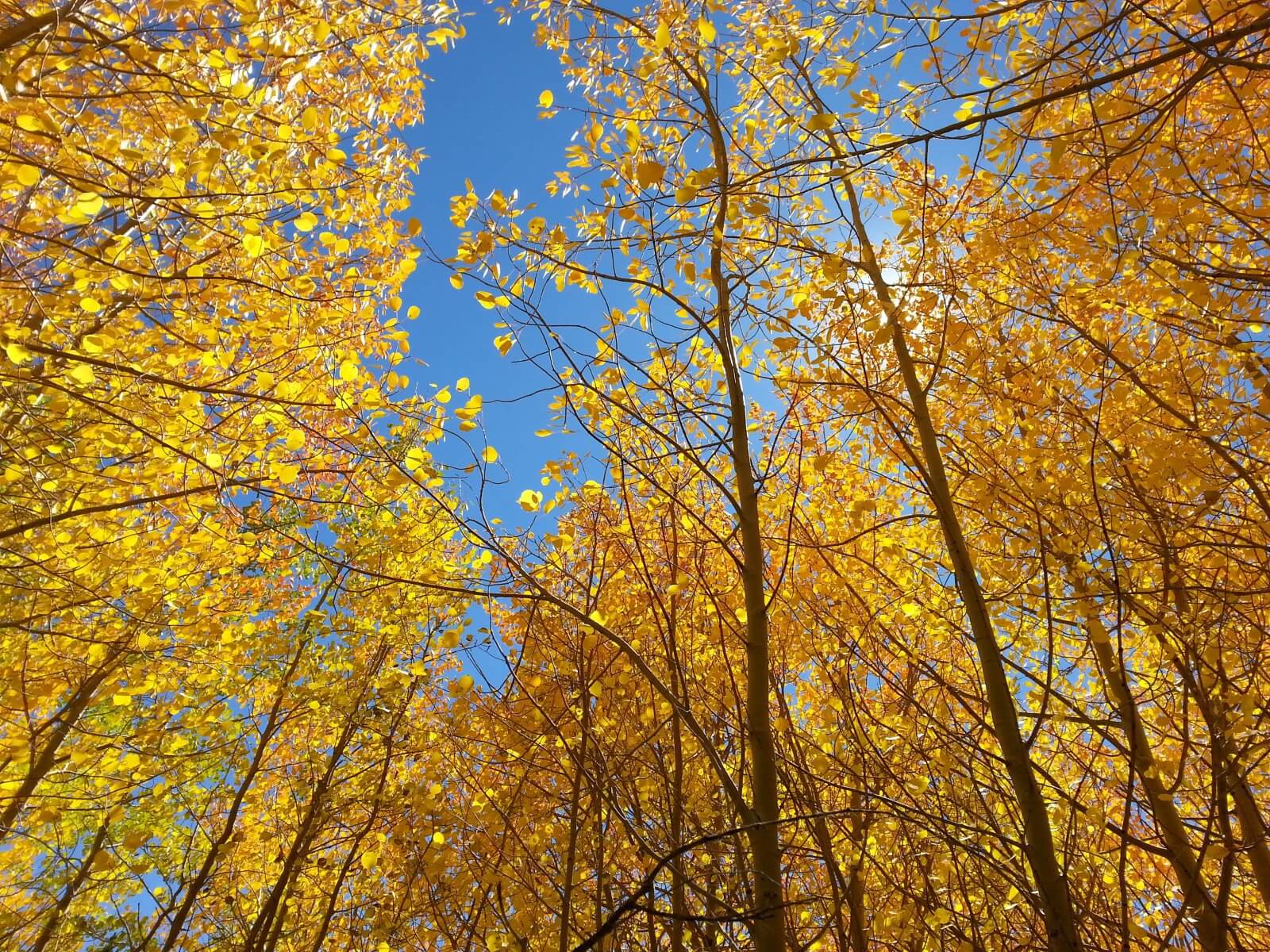
Forest bathing is the practice of spending unhurried, mindful time in nature while using your senses to notice what is around you. It can be enjoyed by people of different ages and abilities, and you do not need access to a large forest. A neighborhood park, walking path, garden, backyard, or any safe outdoor space with trees or other natural features can become a place for your family to pause, explore, and connect.
What Is Forest Bathing?
Forest bathing comes from the Japanese practice known as shinrin-yoku, which means “taking in the atmosphere of the forest.” Unlike hiking, the goal is not to cover a certain distance, reach a destination, or get an intense workout. The purpose is to move slowly, breathe comfortably, and pay attention to the natural environment.
It can be described as paying attention to your surroundings and engaging your senses. Forest bathing can include sitting quietly beneath a tree, walking slowly along a path, listening for birds, watching clouds, feeling the texture of tree bark, or noticing how sunlight moves through leaves.
What Does the Research Suggest?
Researchers are continuing to study how forests and other natural environments may influence health. Forest-bathing research suggests that the practice may provide short-term improvements in stress, mood, anxiety, and emotional well-being. Some studies have also found changes in peoples’ heart rate, blood pressure, and cortisol, a hormone associated with stress.
That said, forest bathing can be used as a well-being practice, not as a treatment or replacement for medical or mental health care.
Research examining children and adolescents also suggests that engaging with nature may support mental well-being, attention, physical activity, and healthy development. Being in a natural environment may help people recover from mental fatigue, reduce stress, and improve mood. Spending time outside together also gives families an opportunity to step away from screens, talk, and share an experience.
Activity for Health
Try a Family Forest Bath
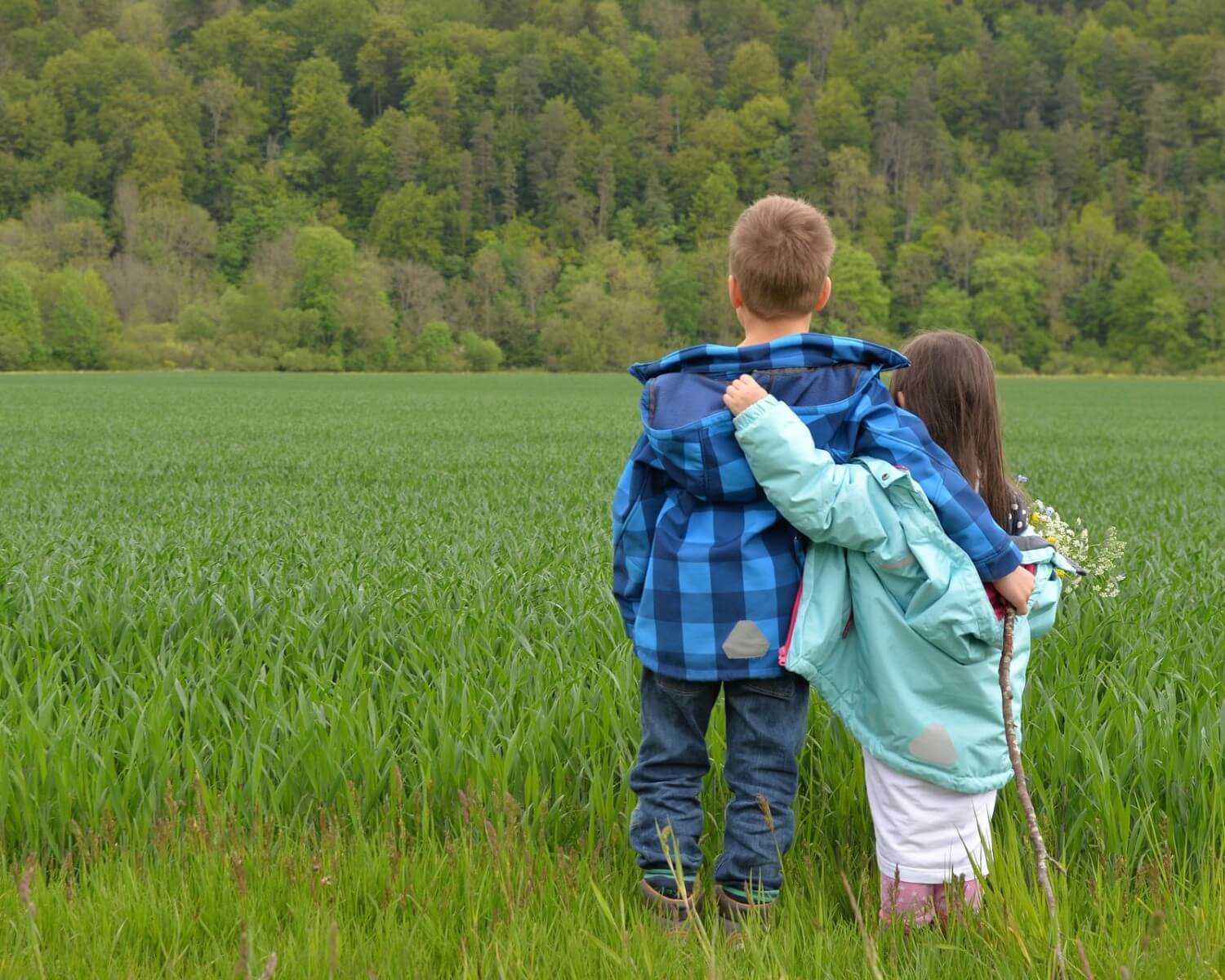
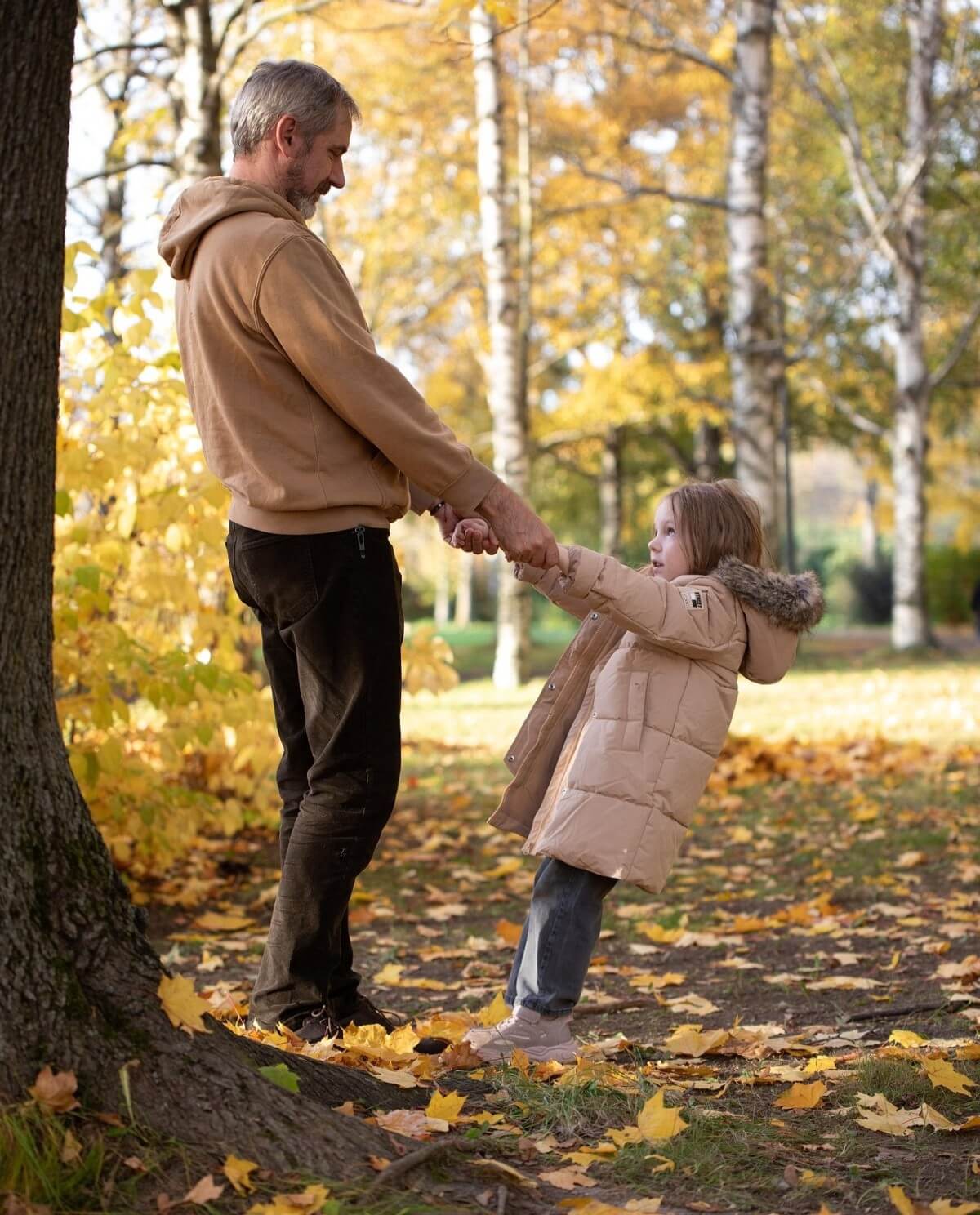
Forest bathing is for the entire family. Begin with 15 to 30 minutes. Choose a familiar, safe outdoor space and let everyone know that this is not a race or a traditional hike. Silence phones if possible.
Try these simple steps:
- Pause and arrive. Stand or sit together and take three slow, comfortable breaths. Notice how the air feels and what is happening around you.
- Move slowly. Let children help choose the direction or pace. Stop whenever someone notices something interesting.
- Use your senses. Ask family members what they can see, hear, smell, and feel. For safety, do not taste plants, berries, or mushrooms.
- Choose a quiet spot. Spend one or two minutes listening. Count how many different sounds you hear. Younger children may enjoy holding up one finger for each new sound.
- Share one observation. Before leaving, invite each person can name something they noticed, enjoyed, or wondered about.
Children may not want to remain silent for long—and that is okay. Forest bathing with a family can be playful. The goal is to pay attention, not to make everyone perfectly quiet.
Make It Fun for Every Age
Adapt the experience to the interests and abilities of your family:
- Young children: Search for colors, shapes, animal tracks, or tiny natural objects. Pretend to walk quietly like a fox or stand tall like a tree.
- School-age children: Create a five-senses scavenger hunt or an “I wonder” list. Ask questions without worrying about finding every answer.
- Teens: Invite them to take one nature photograph, sketch, write, or choose a place to sit quietly. Allowing teens some choice can make the activity feel less forced.
- Adults and older family members: Select a level, accessible path or enjoy the practice from a bench, porch, patio, or window overlooking nature.
- Whole family: End by sharing a favorite observation or expressing gratitude for one part of the experience.
No Forest? No Problem!
A forest can offer an immersive setting, but families can practice mindful nature connection almost anywhere. Sit beneath a shade tree, listen to birds from the porch, watch clouds from a blanket in the yard, visit a community garden, or take a slow walk around the neighborhood.
The best natural setting is one that feels safe, comfortable, and accessible to your family.
Forest bathing does not need to be lengthy, complicated, or perfect. Even a short pause outdoors can help a family slow down and notice the world—and one another. The next time life feels rushed, step outside together and let nature provide a little breathing room.
Let’s Talk – Your Experience
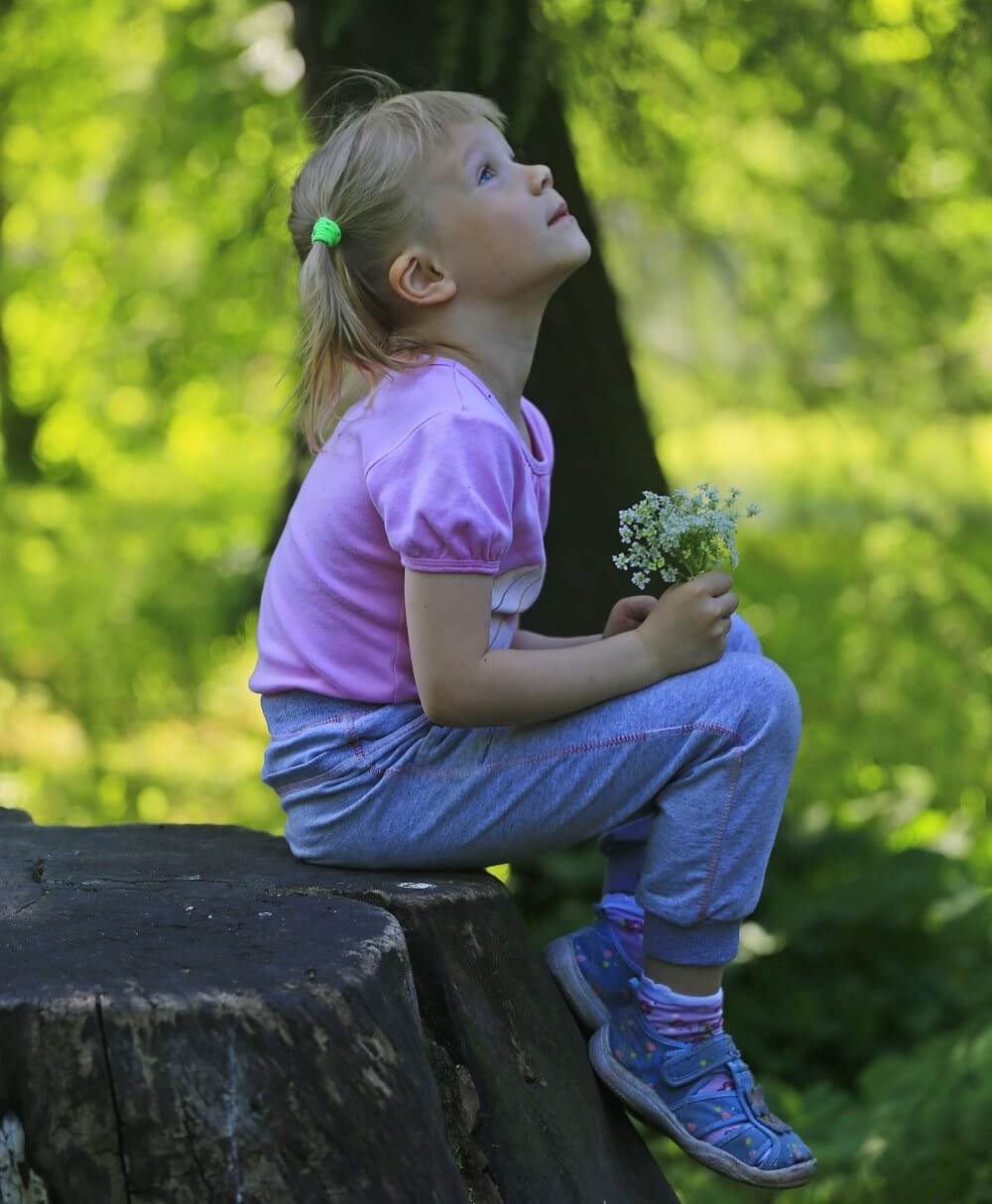
During or after your family forest bath, ask:
- What was the first sound you noticed?
- What did you see today that you had never noticed before?
- How did your body or mood feel before and after spending time outside?
- Where would you like to explore next?
- What can our family do to help care for this outdoor space?