


How to Spot Hidden Sugars in “Kid-Friendly” Foods
By Glenda Wentworth, Family & Consumer Science Specialist, Eagle County
As the familiar song lyric goes, “A spoonful of sugar helps the medicine go down”. But would you offer your child a teaspoon of sugar to eat, if they weren’t sick? Probably not. However, there are many popular foods that have added sugars hidden inside. These added sugars are abundant in more foods than you might think.
Sugar in foods can be either natural or added. Added sugars are introduced during the processing of foods, usually in the form of cane sugar or high fructose corn syrup, but may also include honey, agave or concentrated fruit juices. Added sugars contribute very little nutritional value to our food. Natural sugars, on the other hand, occur “naturally” in foods such as milk, fruits and vegetables. Foods that contain natural sugars typically provide additional nutrients such as fiber, vitamins and minerals.
Added sugars can hide in surprising places. Flavored yogurt, pre-packaged instant oatmeal, granola bars, sweetened applesauce pouches, fruit snacks, and breakfast cereals are some common sugar sweetened foods we consume. Added sugars are also abundant in sodas, sports drinks, and juice drinks.
It is important to reduce the added sugars we consume because they can contribute to weight gain, diabetes, heart disease and tooth decay. The American Heart Association recommends youth consume less than 25 grams or six teaspoons of added sugar per day. For kids under age 2, zero added sugar is recommended. Additionally, children and teens should limit their intake of sugar-sweetened drinks to no more than eight ounces (1 cup) weekly.
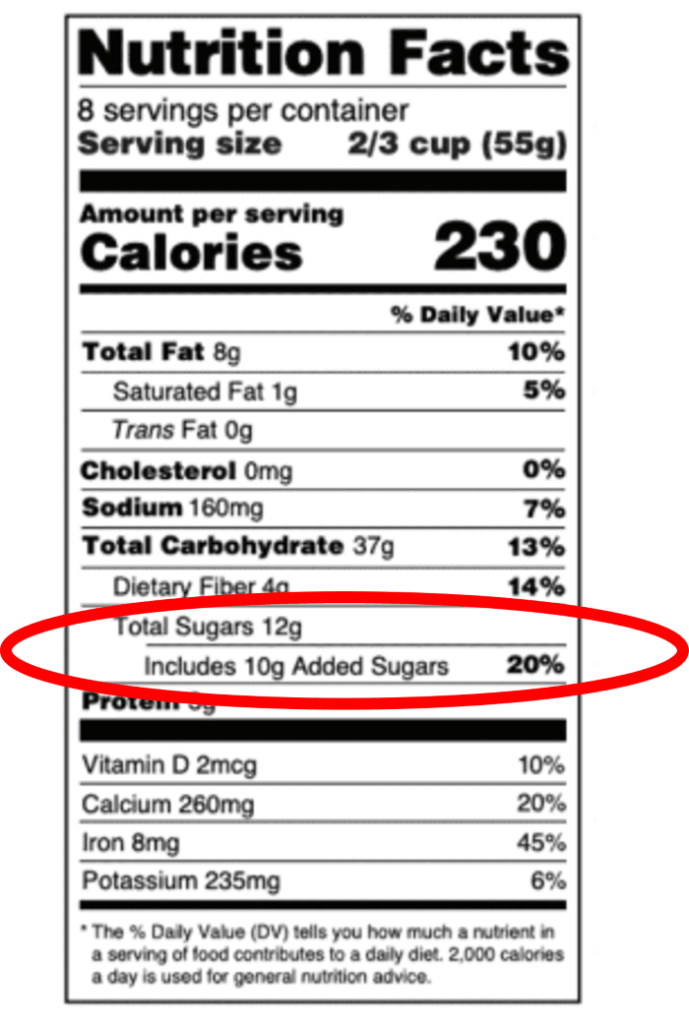
Luckily, we have a great tool to help us track the amount of added sugar we consume. The nutrition facts label on the back of packaged foods has been updated to show how much added sugar a food contains. This helps you to make smarter choices regarding your child’s food choices. Carefully check the “Added Sugars” line on the nutrition facts panel to spot hidden sugars in your food. Note that 4 grams of added sugar is the equivalent of 1 teaspoon of sugar.
Let’s talk
With your children, discuss why it is important to lower our intake of added sugars and help them identify simple tips for choosing more healthful food options.
- Choose beverages without added sugars, by choosing water and milk most often. You can spruce up your water by adding fruit or cucumber pieces for flavor.
- Replace flavored yogurts with plain yogurt, then add your own fruit to sweeten it. Or you can mix plain and flavored yogurt together to reduce added sugar.
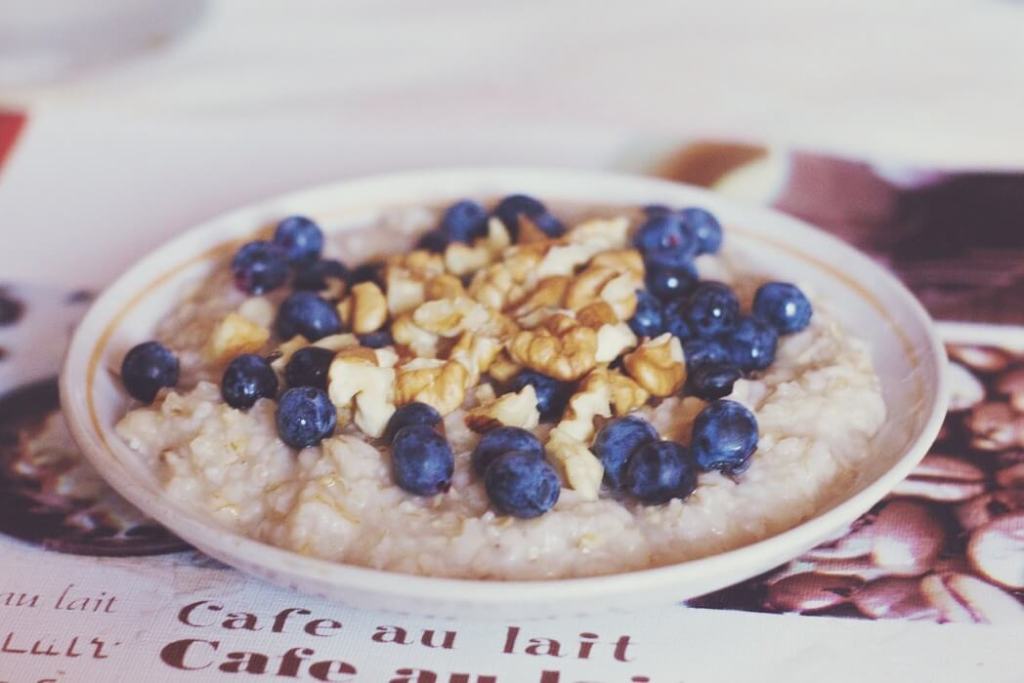
- Eating plain oatmeal with berries and a drizzle of honey is a good alternative to the flavored instant packages.
- Use unsweetened applesauce and add your own cinnamon for flavor.
Recipe for success
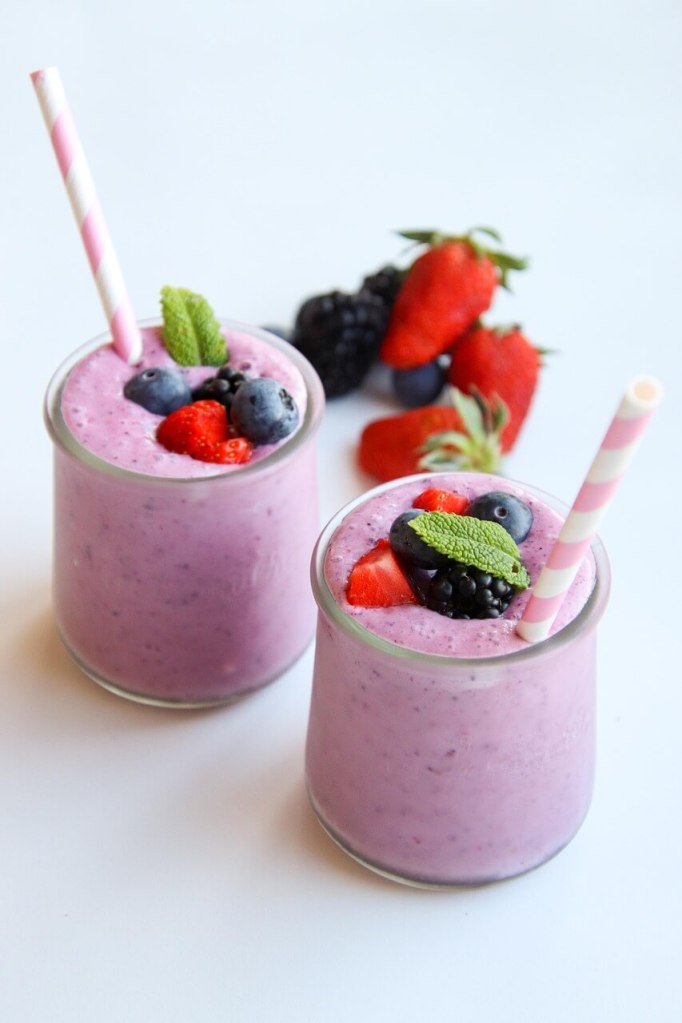
Create a delicious and nutritious smoothie
- Yogurt, choose plain yogurt
- Choose fruit. It can be fresh, frozen or canned. Frozen bananas provide thickness and creaminess to a smoothie. Chop large pieces of fruit into smaller pieces.
- Choose a vegetable such as fresh spinach, chard, kale, etc., for added nutrients and chop into small pieces.
- Choose extra additives such as nut butter, flax seed, chia seed, diced avocado, cinnamon and/or vanilla for flavor and added nutritional value.
- Add milk or water if needed for consistency
Directions
Combine all ingredients in a blender or food processor (do not overload) and blend until smooth. Enjoy!