


Diagnosing Lawn Brown Spots with an Irrigation Audit
Brown spots in lawns can have many potential causes, but the most common issue is poor/non-uniform irrigation coverage. When an irrigation system is operating, it always looks like water is being applied evenly, but that’s rarely the case. Conducting a quick irrigation audit (measuring the amount and uniformity of water being applied) can be a very beneficial tool.
Many Colorado water providers provide irrigation audit services to customers – for little or no cost. However, you can do your own informal audit to help solve lawn brown spot woes.

The Informal Lawn Irrigation Audit Process
Step 1
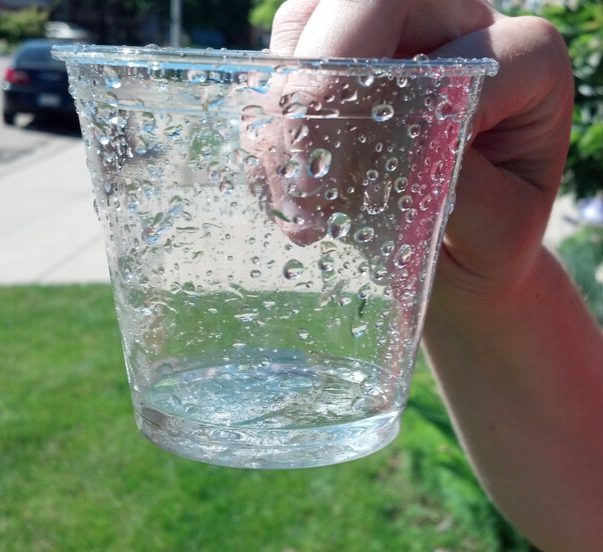
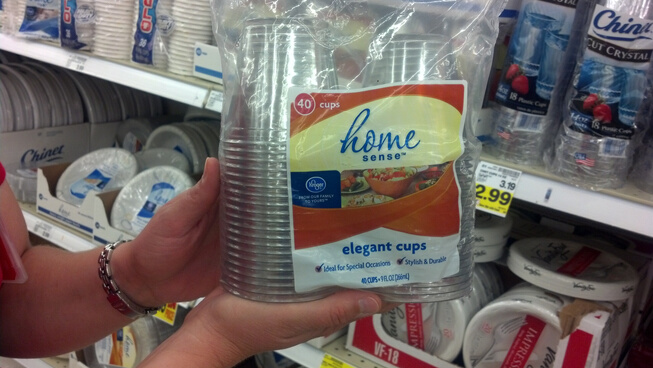
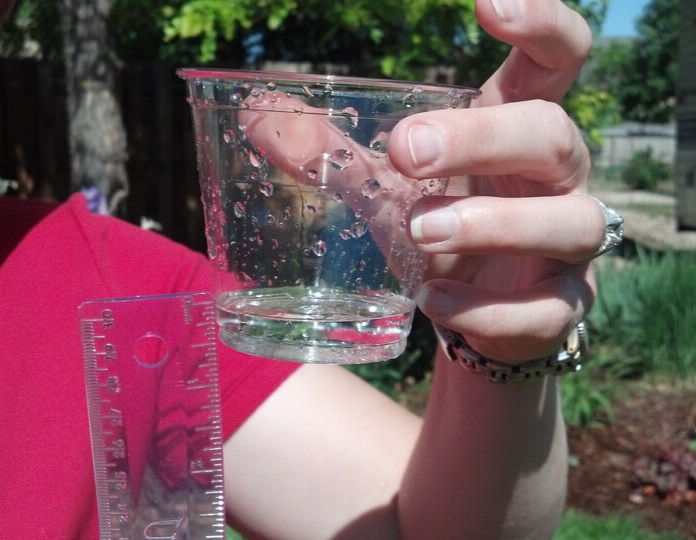
Gather 5-10 identical containers for collecting water. These can be tuna or cat food cans, plastic cups, rain gauges, etc. It’s important they are the same type to collect water evenly and sit level in the lawn.
Step 2
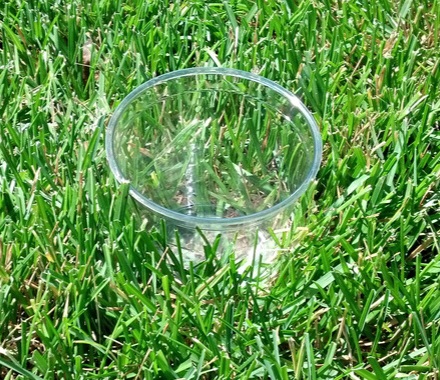
Working in one irrigation zone, randomly place the cups in the lawn. Put some on green areas
and some on brown areas. Make sure the containers are level. Avoid placing containers next to sprinkler heads – keeping them a few feet away.
Step 3
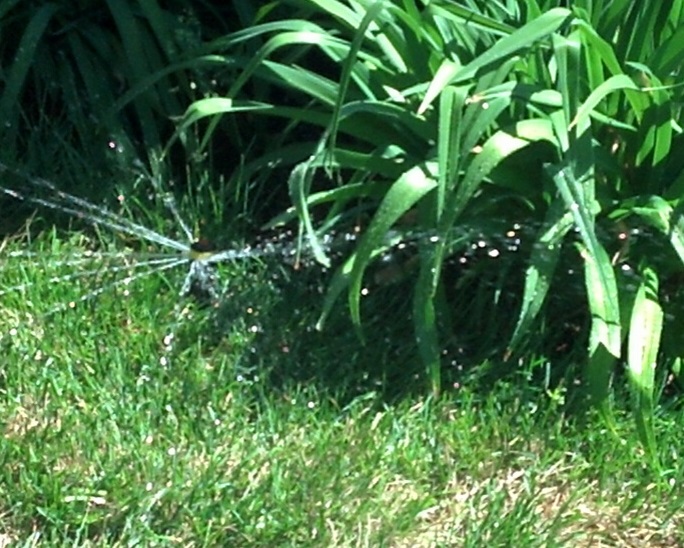
Let the irrigation system run through a normal cycle. Or run the system for 15-20 minutes while watching the sprinklers run. Look for crooked, low, plugged, or blocked heads.
Step 4
Measure the depth of the water in each container with a ruler. Write down each number, along with a note if the lawn is healthy or brown. Measure to 1/10″ if possible.
Step 5
Do some simple math to get the average depth of water applied in the green turf areas and the brown areas. While it may seem insignificant, keep in mind that a
green area that received 0.2″ of water versus a brown area with 0.1″ is getting TWICE as much water every time you irrigate!
Common Brown Spot Causes
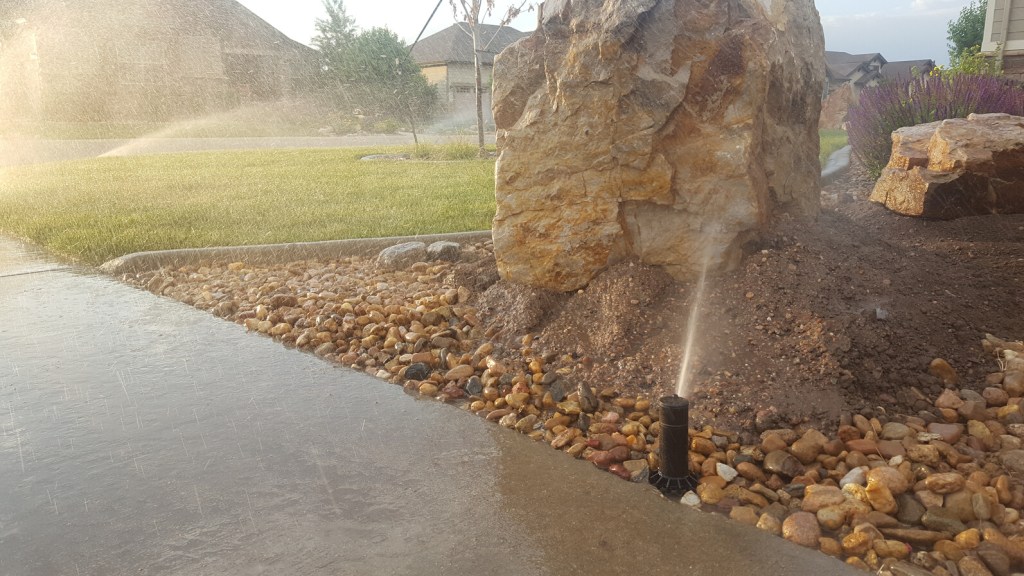
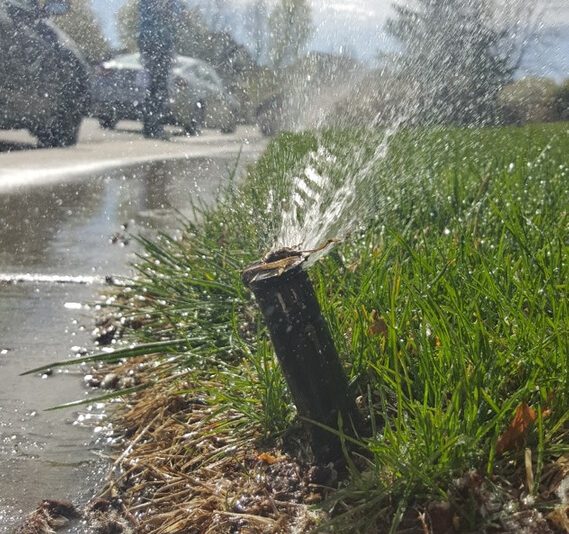
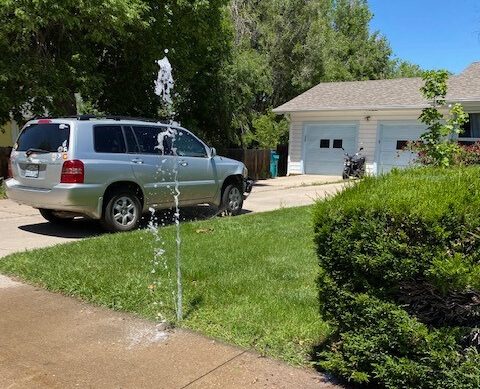
- Heads are too low in the ground which results in green “donuts” in the turf and brown areas beyond
- Heads aren’t coming up perfectly vertically. Crooked heads will never distribute water uniformly!
- Heads not turning the way they should – they may be “stuck”.
- The spray pattern may be blocked by plants or landscape materials.
- Water pressure may decline as additional homes are built in your neighborhood. Find windows of time when water pressure is best (i.e. the middle of the night).
- Nozzles can get plugged or worn
- Heads can get broken, bumped, or moved by mowers or aerification equipment.
- Tree roots can impinge on irrigation lines, decreasing or stopping water flow to heads.
- The valves for a station may not be opening fully.
- The irrigation design is poor – heads may be spaced too far apart or there are too many heads on a station.


Lawncheck
Lawncheck is an on-site, fee-based lawn consultation service from CSU Extension. The service includes recommendations for improving your lawn and solving insect, disease, and other lawn problems.
For more tips and information, explore all the Garden and Lawn Care resources from CSU Extension or find out if Lawncheck service is available in your area.