


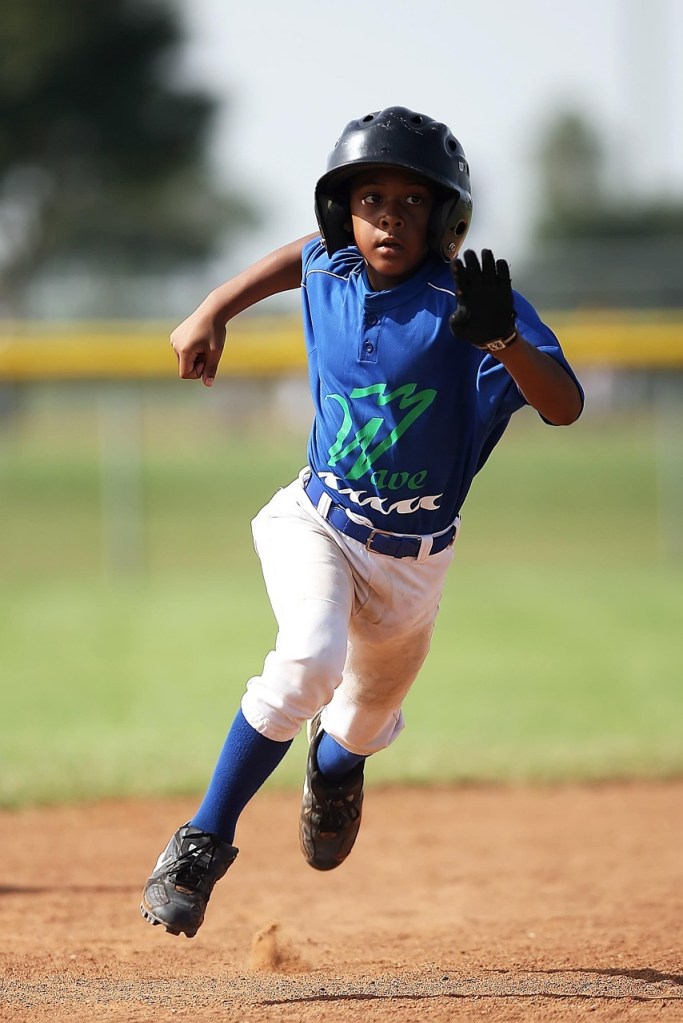
Many kids will join different sports throughout the year, or practice physical activity in other ways. You may know, or even notice in yourself, that people have different nutritional needs when they are more active. The tricky part can be determining which specific foods are most beneficial. Read below to better understand how to help kids fuel their active lifestyles.
Carbohydrates, also known as carbs, are the body’s major fuel source for exercise. They provide energy for muscle function. They also support the body in using fats more effectively. Youth should consume more carbohydrates when they are active. Good sources of carbohydrates include pasta, whole grains, dried beans and peas, milk, yogurt, fruits, and vegetables. Foods like candy, sugar, sweetened beverages, cake, white bread, and rice also contain high levels of carbohydrates, but should be limited compared to other options.
Protein is essential because it is responsible for repairing and building muscle. According to the National Institute of Health, youth in sports should consume about 0.7 grams of protein per day for every pound of their body weight. For example, if an active child weighs 80 pounds, they should consume about 56 grams of protein daily. Foods high in protein include lean meats and poultry, fish, eggs, dairy products, nuts, and legumes. When selecting protein foods, consider limiting fatty and processed meats such as ham, bacon, hot dogs, and cold cuts.
Fats are a concentrated source of energy and are needed to absorb several essential vitamins. When looking at what types of fats your child should consume, keep in mind unsaturated fats are the best option as they have a higher nutritional value than saturated or trans fats. Fatty fish (salmon, trout, and tuna), flaxseed, liquid oils (such as olive oil), nuts, nut butters, and seeds are all foods that contain healthy fats. Fats take a while to digest, so it may not be a good idea to eat these snacks right before practice. Chips, fried foods, and baked goods are also high in fat, but consumption should be limited.
Hydration is important because water helps with digestion and elimination and regulates body temperature. It is important to replenish water lost though sweat during and after exercise. About four hours before physical activity, youth should consume about one quarter ounce of water for every pound of body weight. For an 80-pound child, that is about 20 ounces of water. During physical activity, they should consume about five to ten ounces of water every ten to fifteen minutes.
Increases in physical activity are accompanied by an increase in nutritional needs. When grocery shopping or meal planning, it is important to keep this information in mind to ensure your child is receiving the nutrition they need to stay healthy and active.

Let’s Talk:
Depending on the age of your youth, it might be difficult to explain how to best fuel their bodies for an active life. For younger youth, explain that a good diet helps support their bodies during activity. For older youth, you can explain how different foods work in their bodies to keep them going strong. Have them choose healthy snacks or meals, using the snacks below for guidance. Regardless of their age, it is important to explain that eating healthfully will help them feel their best and get the most out of their activities.
- Carbs – yogurt, fruit, cereal, oatmeal, granola bars, popcorn, smoothies, or peanut butter and jelly sandwiches.
- Protein – nuts, string cheese, Greek yogurt, trail mix, protein bars, milk, and peanut butter and jelly sandwiches.
- Fats – nuts, peanut or other butters, cheese, or sunflower seeds

Activity
Have your kids help you prepare snacks for the week. Older youth may even be able to find recipes, help you shop, and work with a budget to help them build more life skills. Younger youth may need to look at a list of options to help them get started.
Make a fun trail mix, snackle boxes, fruit salad, or veggies with hummus. Nationwide Children’s also has some great snack ideas at: https://www.nationwidechildrens.org/specialties/sports-medicine/sports-medicine-articles/healthful-snack-choices-for-youth-sports
Recipe for Health
Mini Yogurt Parfaits for After the Game
Ingredients
- Granola
- Greek yogurt cups
- Blueberries
- Spoons
Directions
- Divide granola into individual snack baggies.
- Wash blueberries.
- Pack yogurt cups and berries in a cooler.
- After the game, serve granola with prepackaged individual yogurt cups and spoons.
- Add berries for an extra boost of flavor and nutrients!