


Background
According to the 2024 US Report Card on Physical Activity for Children and Youth, only 20% to 28% of 6-17 year-olds meet the 60 minutes of daily physical activity recommended by the U.S. Physical Activity Guidelines for Americans. One way to encourage youth of all ages to get outside and be more physically active is with obstacle courses. An obstacle course is simply created using items or obstacles that individuals must go through or around to get to an end point. One of the wonderful things about obstacle courses is there are no set designs or rules. The course can be modified if someone has physical or cognitive challenges or to ensure everyone feels comfortable participating.
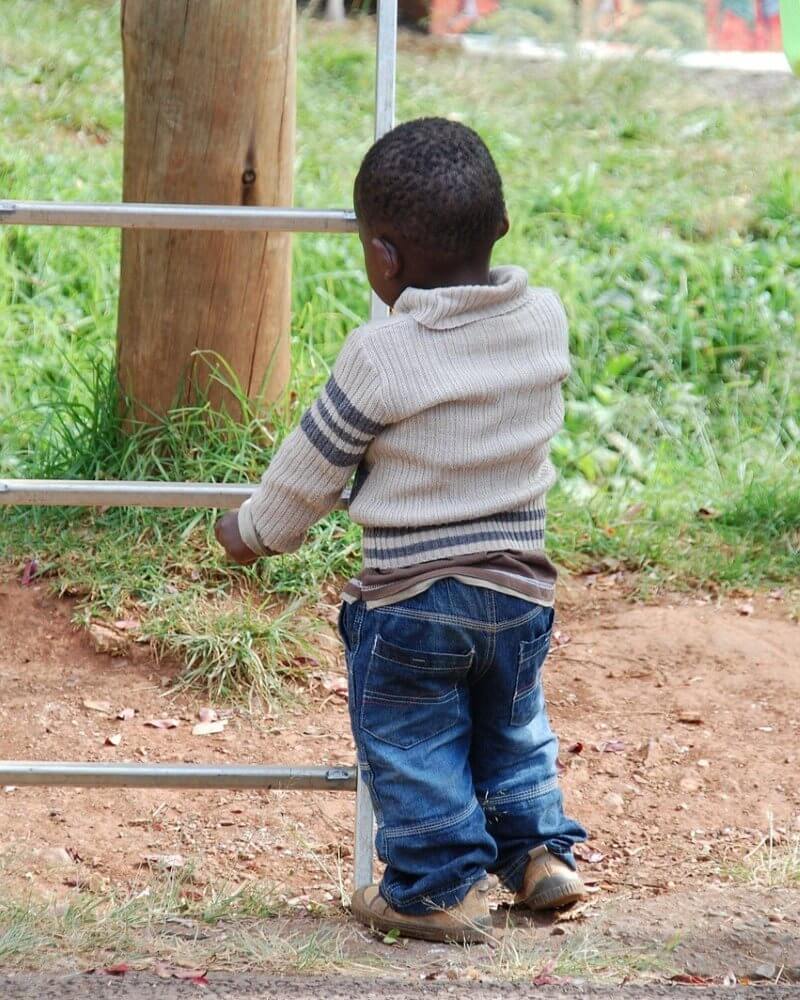
Having a child help design and build an obstacle course encourages the development of creative thinking, problem solving, social skills and more. Participating in the course also supports physical development by increasing stamina, strengthening muscles, and improving hand-eye coordination and balance. Encourage older children to get involved by having them design and/or build a course for their younger siblings or make one for their friends.
Let’s Talk:
Ask your child, “What do you think an obstacle course is?” or “Can I show you what an obstacle course looks like?” Explain what an obstacle course might look like and then help them to participate by asking questions such as, “What items do you want in your obstacle course?” and “Who should we invite over to play on our obstacle course?” If they do not have any ideas, work with them to find objects that might be fun to use. If the course is too hard, show them how the course can be changed to make it easier for them or others to participate.
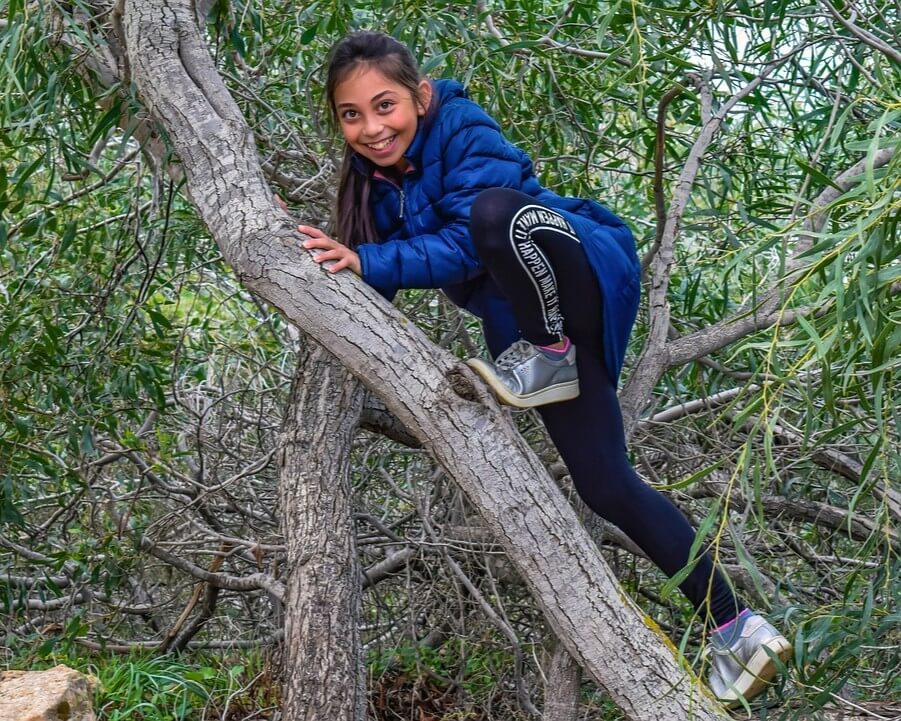
Activity For Health: Obstacle Course
No two obstacle courses are alike. They can be simple or complex. Use items from around your home to make it a low-cost activity that all can enjoy.
Basic Steps:
- Work with your child or children to design a course either on paper or audibly (depending on how they learn best).
- Determine where to start and end the course.
- Pick out three to five obstacles that you must go around, though, over, or under.
- Find a couple of “to do” activities for each course. (see examples below)
- Determine when will be a fun time to set up the course (right away or in a few days, etc.).
- Are there any safety concerns to consider or is someone already using any of the items?
- Help participants decide what guidelines they want for the course, if any. e.g., Do they want to be timed? Can they skip part of the course?
- Set up the course and try it out. Once they have completed the course, see what changes they might want to make.
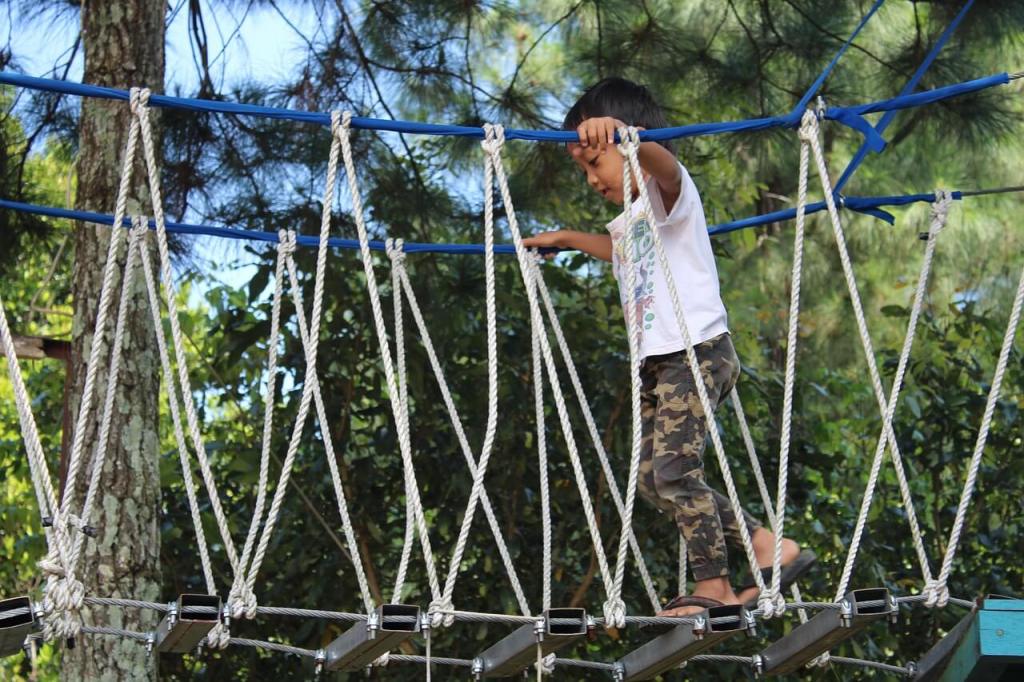
Additional Ideas:
- Make several types of courses or have each youth design one for the whole family to go through. Different seasons may provide additional natural obstacles such as leaf piles, snowballs, or water holes.
- Invite friends or family members to participate.
- Tag Team Style (One person does one part of the course and then another does the second part of the course).
- Consider using baked goods, “getting rid of items” or trinkets for prizes for the fastest time, for not knocking over obstacles, etc.
Obstacle Ideas:
| Lawn furniture | Yard game pieces | Wheelbarrow or wagon |
| Garden stakes | Hoses | Rope, string, or cords |
| Cardboard boxes | Trampoline | Tent |
| Brooms | Wood pieces | Bats, clubs, and balls |
| Swing set items | Shoes or clothing items | Leaves or lawn clippings |
| Trees or bushes | Dirt, sand, rocks, or blocks | Cooler |
| Planting rows or pots | Barrell, trash can, buckets | Snow |
| Household items (containers, arts, and craft supplies, etc.) | Water slides, mud holes, water sprinklers, etc. | Basketball hoop or volleyball net |
“To Do” Ideas:
- Move something or stack something (e.g., wheelbarrow, box, rocks, sticks)
- Carry a bucket, fill up a bucket, roll a bucket, or dump something out of the bucket
- Wind up, roll up, or unroll something (e.g., string, hose, blanket)
- Jump over something (e.g. broom handle) or go under something (e.g., tent, clothesline)
- Balance on something (e.g. block, log or post, sturdy box, or stool)
- Use monkey bars, slide, or swing on a play set
- Throw something (distance game or say throw something into a hole or bucket)
- Walk and balance something (e.g., egg on a spoon, water balloon, item on head)
- Use paint, chalk, or string to walk the shape outline or jump over or skip through
- Jump rope, jumping jacks, or other exercise items in place for 15-30 seconds
- Blow up a balloon or blow bubbles for 15-30 seconds
- Lay a ladder down flat and step in and out of each ladder rung
- Place beads on a string or have them construct another simple craft