


Harvesting quality and quantity from a vegetable garden starts with the gardener’s ability to provide ideal growing conditions for individual crops. Central to all highly productive gardens is a rich soil, high in organic matter, created with annual additions of compost and/or other organic materials. The following home gardening hints summarize a variety of research projects focusing on quality in vegetable production. Crops are grouped by families that have similar cultural practices.
Asparagus
Soils – Asparagus tolerates a wide range of soils if they are well drained. It prefers soil high in organic matter and full sun (eight hours/day minimum). Soil should be well-drained, and no activity can disturb the roots. Soil should be kept slightly moist.
Fertilizing – Asparagus is a heavy feeder. Fertilize in spring as growth starts and again in mid-summer after the harvest period. During the second and subsequent years, apply any needed fertilizer twice a year: once in the spring before growth starts and again as soon as harvest is completed.
Mulching – Asparagus competes poorly with weeds and other crops for water, nutrients, and space. Organic mulch is recommended. Mulch also provides winter cold protection for the roots.
Harvesting – The asparagus bed can be weakened or destroyed by over harvesting. The harvest period for an established bed is only four to six weeks (May into mid-June). Harvest only larger spears. Stop harvesting if spears decrease to pencil size or smaller. Leave the ferns (foliage) to grow until fall or let stand through the winter, finally cutting before new growth begins in spring.
Planting – Extra efforts in planting new beds pay off with increased production.
- Thoroughly work in four inches of well-composted and aged organic matter through the soil to a twelve inch depth.
- Before planting, soak roots in warm water for a couple of hours.
- Dig a trench four to five inches deep and wide enough to accommodate the spread-out roots. Space roots, typically eighteen inches apart, covering with only two inches of soil.
- Add additional soil during the growing season, as plants grow. Asparagus roots are easily smothered if initially covered too deep. (Many texts talk of planting six to eight inches deep for better protection from cold winter soil temperatures. However, this deep of planting will decrease yields.)
- When planting from seed, start seeds indoors twelve weeks prior to transplanting outdoors. Harden off seedlings before transplanting outdoors.
Beans
Soils – Beans are tolerant of a wide range of soils if they are well drained. Beans are sensitive to soil salt. A soil rich in organic matter to hold water and nutrients for growth is preferred.
Planting – Research clearly demonstrates that early growth sets potential yield.
- Avoid planting too early in the spring. At six inches deep, the soil temperature should be above 50ºF at 8 a.m. For example, along the Colorado Front Range, this is typically early May for well-drained sandy soils to late May for clayey soils.
- Rich soil fertility should push early growth of plants. However, heavy nitrogen fertilization will lead to excessive plant growth at the expense of fruiting and increased disease problems.
Spacing Affects Yields – The potential for disease explodes once the plant canopy grows to cover over the patch; avoid over-crowding! Crop research suggests the following optimum spacings:
- Twenty-four inches between rows with two inches between plants.
- Eighteen inches between rows with three inches between plants.
- Twelve inches between rows with four inches between plants (gives 20% higher yield than twenty-four inches by two inch spacing but may increase disease pressure).
- Six inches between rows with six inches between plants (this block style spacing will predispose the patch to foliage diseases).
High Water Demand – Beans have the highest water use of any vegetable crop during flowering and fruit production. If the water supply is optimum, most varieties will produce until frost. If the water supply is low, beans will respond by dropping blossoms, and producing pinched, pollywog-shaped fruit. [Figure 1]
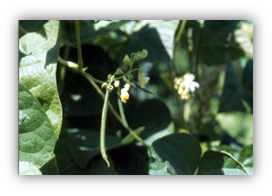
Frequent watering in the right amount is essential for bean production. Water approximately one inch a week, especially during bean development.
Cole Crops: Broccoli, Brussels Sprouts, Cabbage, Cauliflower, Kale, and Kohlrabi
Quality is dependent on the weather and the grower’s ability to provide conditions for rapid growth.
Soils – Being shallow-rooted, cole crops require fertile, moist, well-drained soil that is rich in organic matter and nitrogen.
Fertilizer – Cole crops are heavy feeders of nitrogen, phosphorus, and potassium. Apply a plant starter fertilizer (solution of water-soluble fertilizer like MiracleGro, Peters, and Rapid Grow) at planting, three weeks, and five weeks. Starter fertilizers increase yields by 20%.
Mulch – Because cole crops are poor competitors, mulch to stabilize moisture and control weeds. For early spring plantings, black plastic mulch helps warm cold soils. However, plastic becomes too hot when warm weather arrives. During warm weather, a grass clipping mulch cools the soil and microenvironment.
Irrigation – Cole crops are intolerant of drying. Dry soils quickly lead to strong flavors.
Temperature – Cole crops prefer growing temperatures between 65ºF and 80ºF. Hot weather reduces sweetness. Because seeds do not like cold soils, use transplants for spring planting. For a superior quality fall crop, direct seed the main planting in early July (Front Range area). Both broccoli and cauliflower tolerate some frost (down to lower 20’s) on maturing plants. [Figure 2]
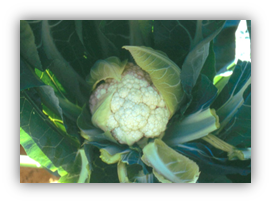
Using Bt – For cabbageworm and looper control, treat with Bacillus thuringiensis, Bt, (a biological control product). Because Bt is rapidly broken down by sunlight, treat in the evening. Bt is a living organism, has a two-year shelf life, and cannot survive storage under extreme heat or cold.
Transplants
- The preferred growing temperature for transplants is 60ºF to 70ºF. High temperatures result in too rapid of growth, and tall, weak plants that are easily broken off in transplanting.
- The ideal transplant is about four inches tall and about four weeks old. Avoid transplants older than six weeks. Quick maturing varieties should be transplanted within four weeks of seeding.
Heading – Yield is based on plant size as the head (curd) starts to develop.
Bolting (rapid head formation).
- Long days and hot weather in the summer cause broccoli to bolt and go to seed and cause cauliflower curds to develop a red-purple discoloration.
- Cabbage bolts if exposed to two to three weeks below 50ºF. Avoid planting too early in the spring.
Buttoning (development of small heads or curds/buttons on immature plants) – Factors that restrict early plant growth include nitrogen deficiency, cold temperatures, shock to young transplants, and drought stress. This leads to buttoning. Follow practices that will result in rapid vegetative growth.
Blindness (plants having lost their terminal growing points produce no head) – Damage to the terminal growing point due to low temperatures, cutworms, damage, or rough handling of transplants, will result in blind plants. Handle transplants carefully, control cutworms, and avoid planting in low temperatures.
Corn
Variety Types – su, se, and sh
- Normal sugary, (su) – standard varieties.
- Sugar Enhanced, (se) – Sugar Enhanced (se) genes increase the original level of sugar in the kernel and slow the conversion of sugar into starch. Isolation is helpful, but not required.
- Super Sweet, (sh) – Super Sweet (sh) genes increase sugar content two to three-fold. Delay planting until soil temperatures reach 70ºF in June. Isolation from non-super sweet types by three hundred to five hundred feet or fourteen plus day differences in maturity is required.
Yield = Water + Nitrogen + Space
- Water stress will reduce overall plant growth reducing yields. Water stress will delay silking beyond the time when tassels shed pollen, thereby preventing kernel formation.
- Side dress with nitrogen fertilizer frequently (every three to four weeks) through the summer to maintain a dark grass-green color. Sprinkle one cup 21-0-0 (or equivalent) per fifty feet of row and water in.
- Spacing affects yields. Crowding decreases sunlight to the leaves, reducing the number and size of ears. Optimum spacing is thirty six inches between rows with nine inches between plants or thirty inches between rows with twelve inches between plants. Allow side shoots to develop, but do not plant in clumps.
Plant in Blocks – Corn is wind pollinated, so plant in blocks at least three rows wide, preferably four to five rows wide. Single blocks may include only a portion of the row length, with the remainder of the row being part to a block of another variety that matures at different times. [Figure 3]
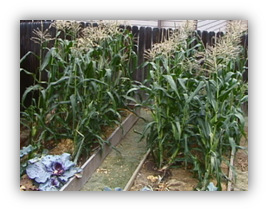
Pollination – Corn is wind pollinated, but bees collecting pollen also frequently visit it. When applying insecticides, use caution to protect pollinating insects. Do NOT spray tassels with insecticides.
Leafy Vegetables and Salad Crops: Lettuce, Spinach, and Swiss Chard
Quality – Quality is based on the gardener’s ability to match ideal conditions for rapid growth, including water, fertilizer, space, and temperature. Quality, leafy vegetables need a constant supply of water and rich soils. For best quality, thin plants when crop is tiny. [Figure 4]
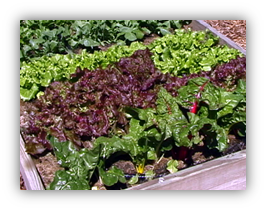
Soils – A rich soil, high in organic matter, is necessary for adequate growth.
Mulch – Organic mulch (like dry grass clippings) reduces summer soil temperatures producing sweeter produce, conserves moisture, and controls weeds. Weeding by cultivation will damage surface roots.
Irrigation – Keep soil moist with 1 to 1½ inches of water per week (including rain). If the crop gets dry, it will become tough and stringy.
Spacing – Thin the crop to reduce competition for nutrients, moisture, light, and space.
Planting for Fall Harvest – Plant lettuce and spinach in mid to late summer to produce during cool fall weather. It can also be planted mid-fall for extra-early spring crops. Cover the small seedlings with organic mulch for winter protection.
Onion Family: Garlic, Leeks, Onions, and Shallots, etc.
Soils – The onion family has a poor, inefficient root system, making the crop intolerant of poor soils and competition from weeds. The plants are heavy feeders. Quality produce arises from a well-drained, fertile soil, rich in organic matter. [Figure 5]
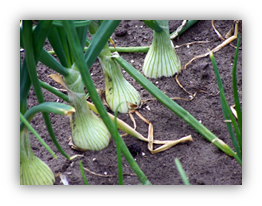
Mulch – The onion family thrives with organic mulch (like dry grass clippings), which cools the soil, conserves moisture, and controls weeds.
Photoperiod Sensitivity – The onion family is sensitive to the length of night, which triggers bulb development. In Colorado, plant only long-day or day-neutral varieties that start bulbing with day lengths of fourteen to sixteen hours and temperatures above 65ºF. The size of the plant when bulb development begins determines the size of the bulb. Plant onions as soon as soil conditions allow in the spring.
Seed Head – Keep seed heads picked. They pull plant resources away from bulb development.
Seed, Sets, or Transplants – These are the three ways to grow onions in your garden. In much of Colorado, sets or plants are the best methods (sets are the small onion bulbs sold in bulk in the spring). Growing from seed is most economical, but seed takes about 110 days to mature in the garden. Seed should be started indoors about ten weeks before the last spring frost. Keep tops trimmed to six inches. When plants are about half the diameter of a pencil, plant outdoors at two to three inches apart. Transplants or sets should be planted in the spring between mid-April to Mid-May. Press sets or plants into one-inch deep furrows and cover with soil to ground level. Space at two- to three-inch intervals. If needed, side- dress with fertilizer three weeks after setting out when the tops are six to eight inches tall, and again when the bulbs start to swell.
Peas
Soils – Peas grow best in rich soil, high in organic matter. They require well-drained soil.
Types of Peas
- English Pea – standard, shelled pea.
- Edible Pod Pea, Sugar Pea, and Snow
- Pea – edible pod, pick before seeds swell.
- Snap Pea – edible pod and plump sweet pea fruit.
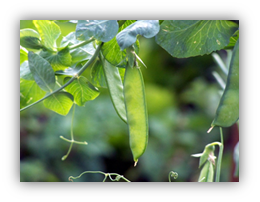
Plant As Early as Possible
- Plant as soon as the soil can be worked.
- Plant when soil temperatures reach 40ºF. Avoid planting in wet soils.
Planting for Fall Harvest – Peas may be planted in mid-summer for harvest during cooler fall weather. Sweeter peas develop in cooler temperatures. However, yields of the fall crop can suffer and the vines are prone to powdery mildew in the fall.
Potatoes
Soils – Potatoes thrive in a soil rich in organic matter that provides water and nutrient holding capacity, and improved drainage. However, avoid heavy applications of fresh manure or compost, as it will make the tuber surface rough and increase the occurrence of scab.
Certified Seed – The use of certified seed helps reduce disease problems.
Give the Plants a Vigorous Start
- Plant four inches deep when soil temperatures rise above 50°F at 8 a.m.
- Avoid using too small of a seed piece. Cutting seed pieces to 1½ to two inches in size provides for early plant vigor. Many gardeners prefer to use seed pieces that require no cutting to reduce decay potential.
Plant As Early as Possible
- Plant as soon as the soil can be worked.
- Plant when soil temperatures reach 40ºF. Avoid planting in wet soils.
Spacing – Plant spacing determines tuber size. Learn by experience the optimum spacing for the variety in a particular garden soil. A starting point is an equal-distant spacing of twelve to fifteen inches between plants and between rows (or three plants across a four-foot-wide raised bed). Spacing that allows the plants to close in and shade the soil yields sweeter spuds. However, thick foliage and reduced airflow can also increase the occurrence of disease.
Spacing – Plant spacing determines tuber size. Learn by experience the optimum spacing for the variety in a particular garden soil. A starting point is an equal-distant spacing of twelve to fifteen inches between plants and between rows (or three plants across a four-foot-wide raised bed). Spacing that allows the plants to close in and shade the soil yields sweeter spuds. However, thick foliage and reduced airflow can also increase the occurrence of disease.
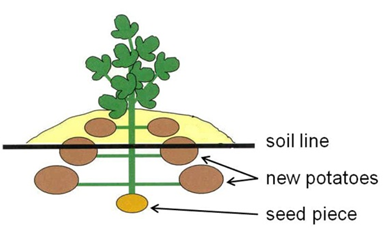
Fertilizer – Potatoes are heavy feeders of nitrogen, phosphorus, and potassium. Running out of nitrogen by August is the most common potato problem. Symptoms are a general yellowing of leaves that starts with lower interior leaves. Nitrogen stress predisposes the crop to early blight.
Moisture – If the soil is too wet or has poor drainage, tubers will rot. If the soil becomes overly dry, tubers will develop knobs.
Rhubarb
Soils – Rhubarb thrives on any soil that is high in organic matter and well drained.
Yields – Yield is based on the plant’s ability to store food reserves in the roots for the next year’s crop.
- Keep the seed stalk picked off.
- Stop harvesting when temperatures rise above 85°F.
- Remove the oldest stalks at the base when plants grow crowded, giving room for new stalks to grow. Never remove more than ¼ of the stalks at one time.
Mulch – Rhubarb is a poor competitor for water and nutrients. Keep mulched with organic mulch.
Sun – It prefers full sun but grows poorly with reflected heat.
Coloration – Poor coloration of stalks develop from too much shade, too much heat, overly wet soils, or an inferior variety.
Re-Planting – Reset when stalks become slender and the center of plant dies out, about every eight years. Rhubarb is best transplanted in the fall.
Root Crops: Beets, Carrots, and Radishes
Soils – Root crops need a rich, well-drained soil, high in aged organic matter.
Mulch – Use organic mulch (like dry grass clippings) to cool the soil in summer, stabilize soil moisture, and control weeds.
Irrigation – Consistent soil moisture is necessary!
Carrot Disorders
- Strong flavor – Many varieties have a high oil content (and the oil can turn rancid), change varieties.
- Hairy or rough root surface develops from too much fresh organic matter in the soil. Use old, well-aged compost or manure in the root crop section.
- Stubby, knobby, or cracked roots arise from uneven moisture supply, hot soil temperatures, or poor, rocky, or compacted soil conditions.
- Green shoulders result from root crowns exposed to sunlight and reduce sweetness. Mulch with dry grass clippings to shade the crown of the root.
- Failure of seedlings to emerge may arise from soil crusting, planting too deep, or high soil temperatures.
Radishes
- Hot and/or pithy radishes arise from hot weather, hot soil, and/or plants that are past maturity.
- Thin plants as soon as they pop through the ground! [Figure 8]
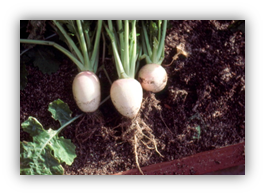
Replanting of Root Crops for Fall Harvest – For tender young root crops, replant in mid-summer (Front Range area) for fall harvest.
Winter Storage of Roots – Some varieties of carrots store well in the garden soil or in a root cellar for year-round use. Other carrot varieties become strong-flavored as the oil becomes rancid. Two useful options for winter storage include:
- Leave undisturbed where growing in the garden and mulch the bed with straw or other organic materials. Dig as needed.
- Place harvested carrots in straw in a garbage can storage pit.
Tomato Family: Tomatoes, Peppers, and Eggplants
Growth – Tomato plants may be determinant (bush type) or indeterminant type (a vining plant requiring a trellis or fence). Determinant tomatoes stop growing when fruit sets on the terminal (top) bud; fruit matures and ripens all at the same time. Pruning or removing suckers will reduce the crop. Indeterminant varieties produce fruit until killed by frost but do need consistent removal of suckers.
Mulch – Use black plastic mulch for earlier production and higher yields. The mulch also helps control weeds, conserves water, and protects the foliage from disease spores splashing from the soil.
Trellis – Trellis or cage tomatoes to allow for easier picking and suppress early blight (the most common tomato disease) and psyllids. Trellising allows plants to dry quickly following rains. An ideal trellis is two feet wide and four to five feet tall. It can be easily made from a six and half-foot length of concrete reinforcing wire coiled in a circle.
Spacing – Avoid crowding plants. Crowding will not increase yields and will promote disease problems. The minimum spacing for trellised tomatoes is two feet.
Watering – Avoid overhead irrigation, which promotes leaf diseases. A soaker hose type of drip irrigation works well under plastic mulch. Tomatoes can also be furrow irrigated with water running in furrows under the plastic mulch.
Transplanting – Except for avid gardeners who use extra protective efforts to realize a few early tomatoes, avoid early plantings. Plant the main tomato crop when the threat of frost has passed, and daytime temperatures are consistently above 60°F. A week of daytime temperatures below 50°F stunts growth.
Fertilizer
- Over-fertilization causes excessive vine growth at the expense of fruiting.
- However, using a water-soluble fertilizer at planting and a couple of weeks later will encourage early growth.
- An additional light fertilization as the first fruits color also will increase yields and resistance to early blight.
Blossom Drop – Hot, dry summer winds can cause blossoms to drop. Inconsistent watering contributes to this condition. Mulch plants.
With night temperatures below 55°F, blossoms that open the following morning will not have pollen, and blossoms will drop. For example, there is a 50/50 probability along the Colorado Front Range that any given summer night will be too cool for pollen development. For early production and in cool locations the “blossom set sprays” effectively improve yields. If daytime temperatures rise above 90°F by 10 a.m., blossoms opening that morning will abort.
Blossom End Rot – Irregular watering and over-watering causes development of a dark, leathery area on the blossom end of fruits. Watering consistently in a deep, improved garden soil with mulching will help prevent this condition.
Vine Crops: Cucumbers, Melons, Pumpkins, and Squash
Soils – Vine crops thrive in well-drained soils high in organic matter. Yearly applications of compost will supply needed nutrients.
Mulch – Use black plastic mulch for earlier production and higher yields. It also controls weeds and conserves water.
Planting Time – Do not plant too early. Daytime temperatures should consistently be above 55°F. Protect young, tender plants from cool winds.
Seeds or Transplants – Direct seeding is reported to give higher yields. If using transplants, they should be small, never more than two to four weeks old.
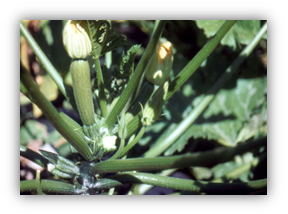
Blossom Drop
- Vine crops have male flowers and female flowers (small fruit behind the flower). Male
- flowers develop first, and generally predominate. Young fruits that are not pollinated will abort. [Figure 9]
- When bee activity is limited, increase yields by hand pollination. Pick a male flower, remove petals, and touch the center of the female flowers with the male flower.
- Any form of stress (like too much or too little water, poor soil conditions, extreme heat, and wind) can reduce flowering and lead to abortion of fruits.
This publication, reference GardenNotes #719a, is developed as part of the Colorado State University Extension Master Gardener Program.