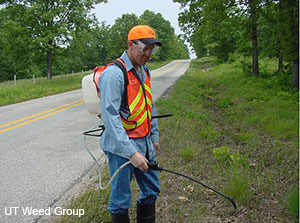
How can I control weeds on my property?
- Identify your weeds
- Know exactly what it is you want to control.
- Determine the species – use ID guides or consult your local professional
- Learn about the “ENEMY”
- Know the weed’s life cycle
- Determine the best time to attack the plants
- Understand control methods
- Know preventative, cultural, mechanical, chemical, and biological
control options. - Determine the appropriate control method for your specific weeds.
- Know preventative, cultural, mechanical, chemical, and biological
- Develop a management plan
- Know how to monitor and evaluate your property
- Determine how to treat your land, be persistent and adaptive
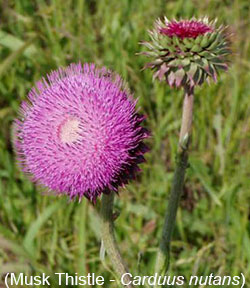
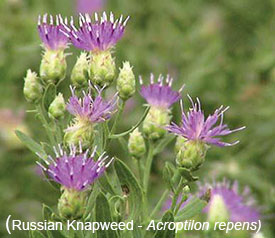
Determine the appropriate weed control method for your property
Preventive:
The first and the most important step in a weed control program. Probably the most cost-effective method of weed control. Methods include: maintaining healthy pastures, using weed-free crop seed, weed-free manure and hay, and clean harvesting and tillage equipment, as well as the elimination of weed infestations in areas bordering cropland, and in irrigation ditches and canals.
Cultural:
Methods include: Establishing and managing an adequate population of desirable vegetation to compete with the weeds; utilizing livestock (cattle, goats, sheep) when possible; mulching; burning; and even plastic weed barriers.
Mechanical:
Methods include: Hand-pull, hoe, mow and tillage.
Biological:
Biological weed control involves the utilization of natural enemies for the control of specific weed species. Likely not 100% effective method of control, and can take many years for success. Methods include: grazing, introduction of registered insects or diseases. Contact the Palisade Insectary for more info.
Chemical:
Always read the label before using any herbicide! Weed control with herbicides is an effective tool for many target weed species. However, there are several aspects to consider when choosing a chemical program. These include: ID of target weed; herbicide selection; timing of application; desirable crops or plant species near control areas; the number of applications per year, and the number of years for treatment.
Always add a nonionic surfactant @ 0.32 oz/ gal (1qt/100 gal) unless otherwise noted.