


What are weeds?
- A plant out of place and not intentionally sown
- A plant growing where it is not wanted
- A plant whose virtues have not yet been discovered (R.W.Emerson)
- Plants that are competitive, persistent, and interfere negatively with human activity or management
We can say that weeds are plants whose undesirable qualities outweigh their good points. In the U.S., crop losses due to weeds and weed control programs cost tens of billions of dollars each year.
Weeds are naturally strong competitors and those weeds that can best compete always tend to dominate. We may breed plants for yield, while nature breeds plants for survival. (D. Ligenfelter)
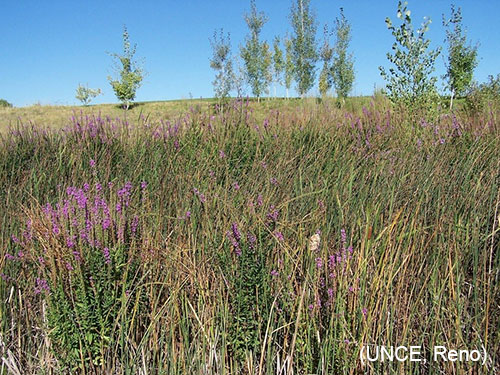
Weeds are excellent competitors for resources. This photo shows purple loosestrife invasion into a dense wetland area.
Weed management
Managing weeds effectively requires applying the right treatment at the right time. Whether you decide to use organic or synthetic herbicides, mowing, pulling, grazing or biological control, understanding when those treatments are effective is key. Knowing if a plant is an annual, biennial or perennial is a great start for choosing the right control method.
Annual weeds:
As the name suggests, these plants live for one year or one season only. Preventing seed formation is crucial for stopping the spread of these types of weeds. Mowing annual weeds can delay seed formation but some weeds may eventually produce seeds below mowing height. Pulling is effective on small infestations before seed formation. Similarly, herbicide applications should be done before seed production when plants are actively growing.
A few examples of annual weeds include: Kochia, Russian thistle, pigweeds and cheatgrass.
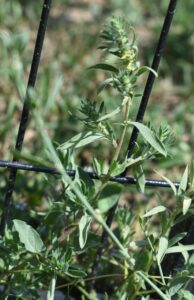
Biennial weeds:
These weeds live for two years. Typically they remain a rosette during the first year and grow seeds the second year. Mow biennials after bolting stage and before seed set. Herbicide treatments are most effective in the fall when plants are translocating nutrients to their root system.
A few examples of biennial weeds include: prickly lettuce and yellow sweet clover.
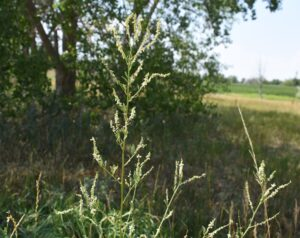
Simple perennials:
Plants that live more than 2 years. Perennials typically reproduce from seeds but may also reproduce from root segments. They usually have extensive root systems that allow them to grow back every year. Mechanical control methods like mowing need to be done frequently to suppress these plants and exhaust nutrient reserves. Pulling these plants is not effective since they grow back from the roots left behind on the soil. Systemic herbicides are usually effective if applied at the correct rates and times.
A few examples of simple perennials include: chicory, curly dock, dandelion and most trees and shrubs.
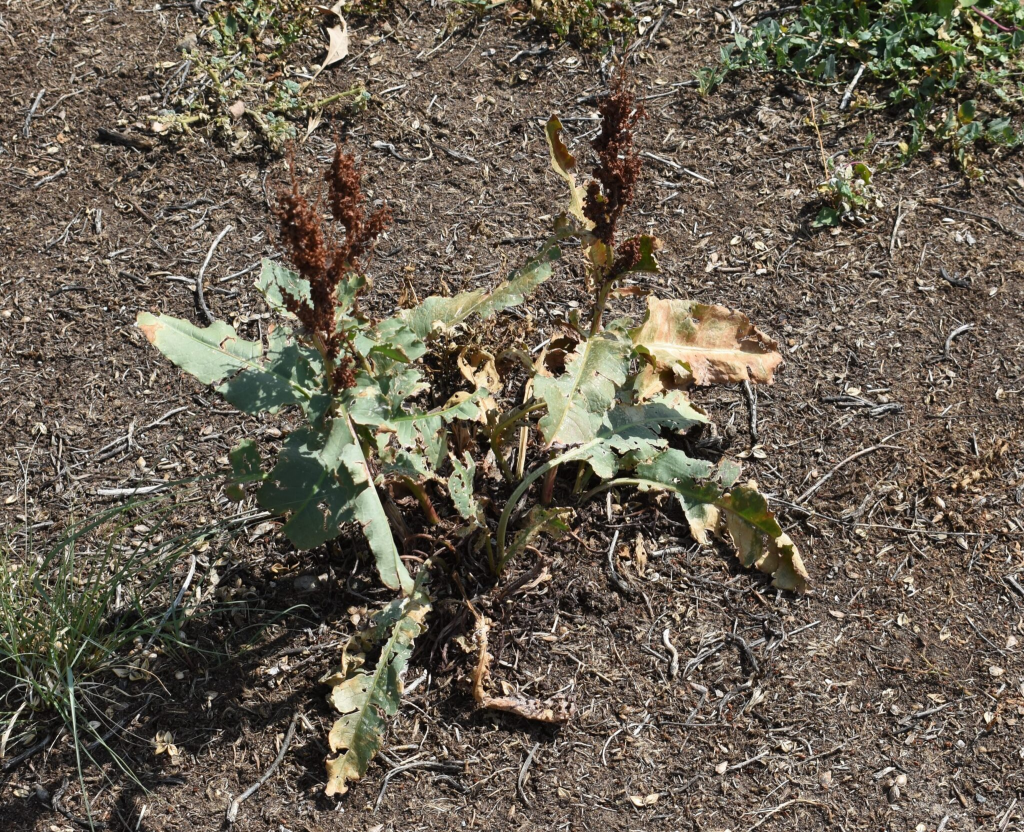
Creeping perennials:
These plants live for more than 2 years and spread vegetatively from stolons. Mowing, pulling or grazing are usually not effective as a plants can grow from cut parts. Repeated herbicide treatments are usually the most effective. Soil disturbance also tends to favor creeping perennials since cut plant parts may produce new parts. Additionally, seeds are often viable for many years in the soil and the movement of soil may bring to surface a lot of dormant seed that were previously too deep to germinate.
Some examples include: Canada thistle, field bindweed and yellow toadflax.
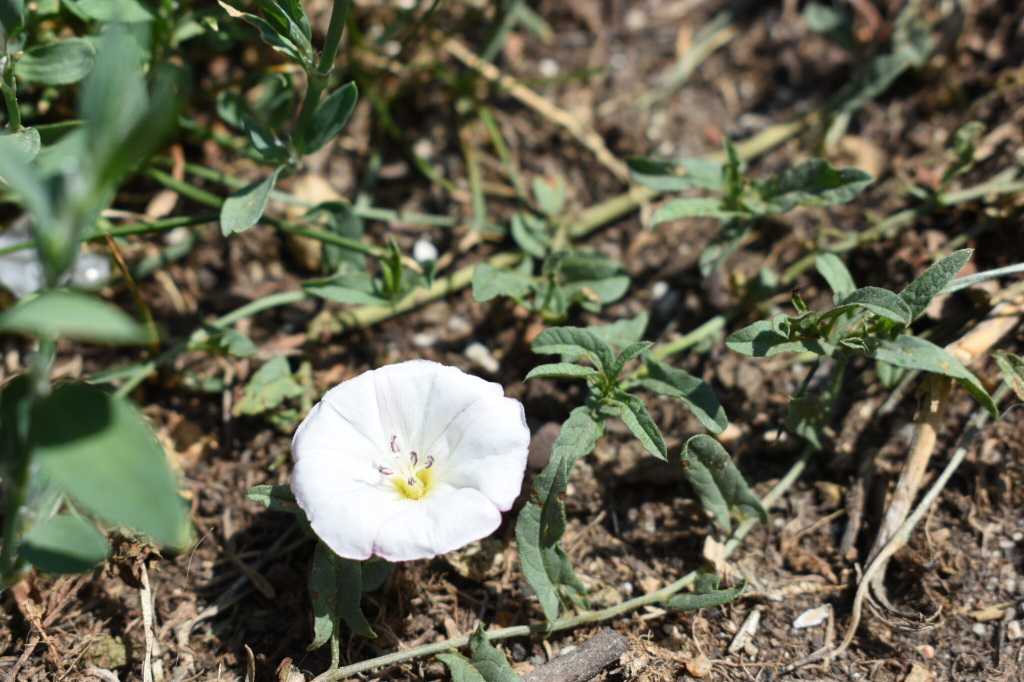
Managing broadleaf weeds
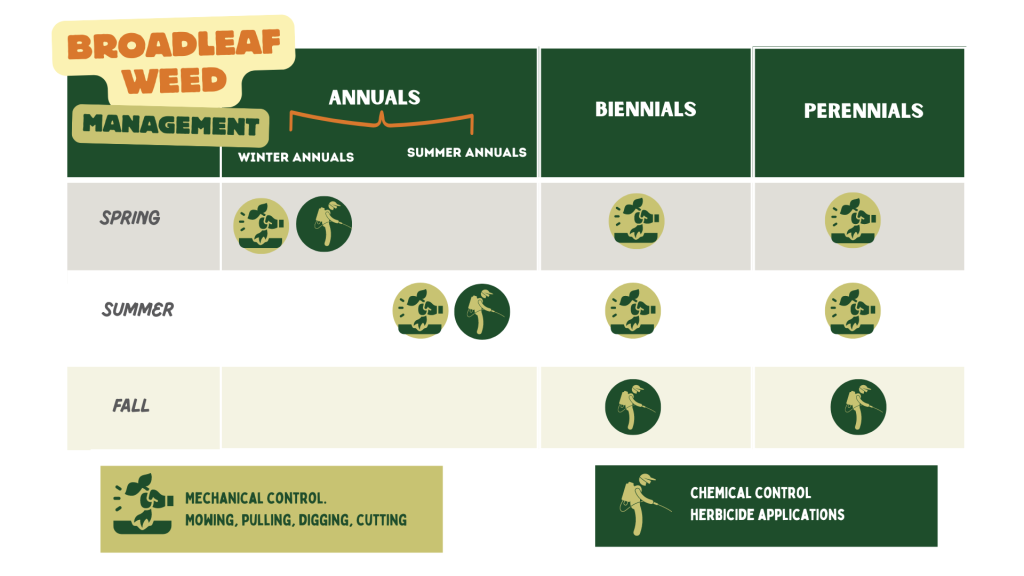
Choosing the right method of weed control is just as important as using it at the right time. For most weeds, preventing seed formation is key to keep populations under control, however seed formation can happen at different times of the year, which means you may need to perform different methods of control year-round. Familiarizing yourself with the predominant weeds in your field can help you make decisions to reduce those plants and adjust your weed management in a way that is efficient. The graph below shows some of the effective times to manage broadleaf plants, particularly in pastures.
Keep in mind that different weeds may need particular management methods that are more effective. Biological control is also available for some of the noxious weeds in the state and has not been included in the figure below. Always read the label if you are using a herbicide, it is not only required by the law but it also provides important instructions and information of best methods to use a herbicide effectively.
What are noxious weeds?
Noxious weeds are non-native plants that disrupt native vegetation because they have no natural controls and are able to adapt to varied climate conditions. As a result of the Colorado Noxious Weed Act, noxious weeds have been categorized according to their status: A, B, and C.