A child’s gut health plays an important role in how their body works every day. It helps with digestion (how the body breaks down food), supports the immune system (which helps fight germs), and can affect mood, energy, and focus. Because childhood is when lifelong habits begin, healthy eating early on can make a big difference.
The gut is also called the gastrointestinal (GI) tract. It starts at the mouth and continues through the stomach and intestines. While the gut’s main job is digesting food and absorbing nutrients, it also communicates with the brain. This connection helps control hunger, fullness, and digestion, and it can influence emotions and behavior. The health of a child’s gut can impact these functions.
When a child’s gut is healthy, digestion is usually more comfortable, and kids may have more energy and better focus. When the gut is out of balance, children may have stomachaches, constipation, low energy, or trouble paying attention. Supporting gut health helps care for both the body and the mind.
Understanding the Gut
Before we can understand how to support the gut, we need to understand how it works. Inside the gut lives the gut microbiome, a large community of trillions of tiny living organisms, including bacteria. Some of these bacteria are helpful, while others can cause problems if they grow too much. The foods a child eats help decide which bacteria grow and thrive. To support healthy bacteria, it is helpful to eat foods with probiotics and prebiotics.
Probiotics are live, helpful bacteria found in fermented foods. Fermented foods go through a process that allows healthy bacteria to grow. Examples include yogurt, cheese, kefir, miso, sauerkraut, and kimchi. Eating these foods adds beneficial bacteria to the gut.
Prebiotics are a type of fiber found in plant foods. Fiber cannot be fully digested by humans but it does feed the good bacteria in the gut. Foods with prebiotics include fruits, vegetables, beans, whole grains, nuts, and seeds.
In short, probiotics add the good bacteria to our body and prebiotics feed those bacteria. Together, probiotics and prebiotics help keep the gut balanced.

Let’s Talk About Gut Health
Talking to kids about gut health can be simple. You might say, “Your belly has good germs that help your body stay strong. The food you eat helps those germs grow.” Be a role model by eating healthy foods together as a family. Invite children to help shop, wash produce, stir yogurt, or taste new foods. Praise effort and curiosity, even if they only take one bite. These small steps help build healthy gut habits that support digestion, immunity, mood, and lifelong health.
Tips for Supporting Gut Health
Here are simple ways families can support a child’s gut health:
- Include fiber daily. Children need up to 25 grams of fiber per day. Fiber supports digestion, feeds gut bacteria, and helps kids feel full. Fiber is found in fruits, vegetables, legumes, nuts, whole grains and other plant-based foods.
- Choose whole grains when possible. Try whole grain bread, whole wheat pasta, brown rice, or corn tortillas. This adds fiber and nutrients to their diet.
- Add fermented foods. Yogurt, kefir, miso, tempeh, sauerkraut, and kimchi contain probiotics that add good bacteria to the gut.
- Limit ultra-processed foods when you can. Food high in sugar, salt, and unhealthy fats can crowd out good bacteria. Balance them with whole foods as often as possible to help the good bacteria grow and thrive.
- Involve children in cooking. Kids are more likely to try foods they help prepare. This is an important step when trying new foods or new preparation methods.
- Introduce new foods slowly. Start with familiar foods and add new ones one at a time. It typically takes kids 6-10 times of seeing the same food in the same form to eat it.
- Add fiber-rich foods slowly. Too much fiber at once can cause gas or stomach pain. Drinking water helps fiber work better and move through the gastrointestinal tract more easily.
Supporting gut health does not have to be complicated. Many families already enjoy foods like:
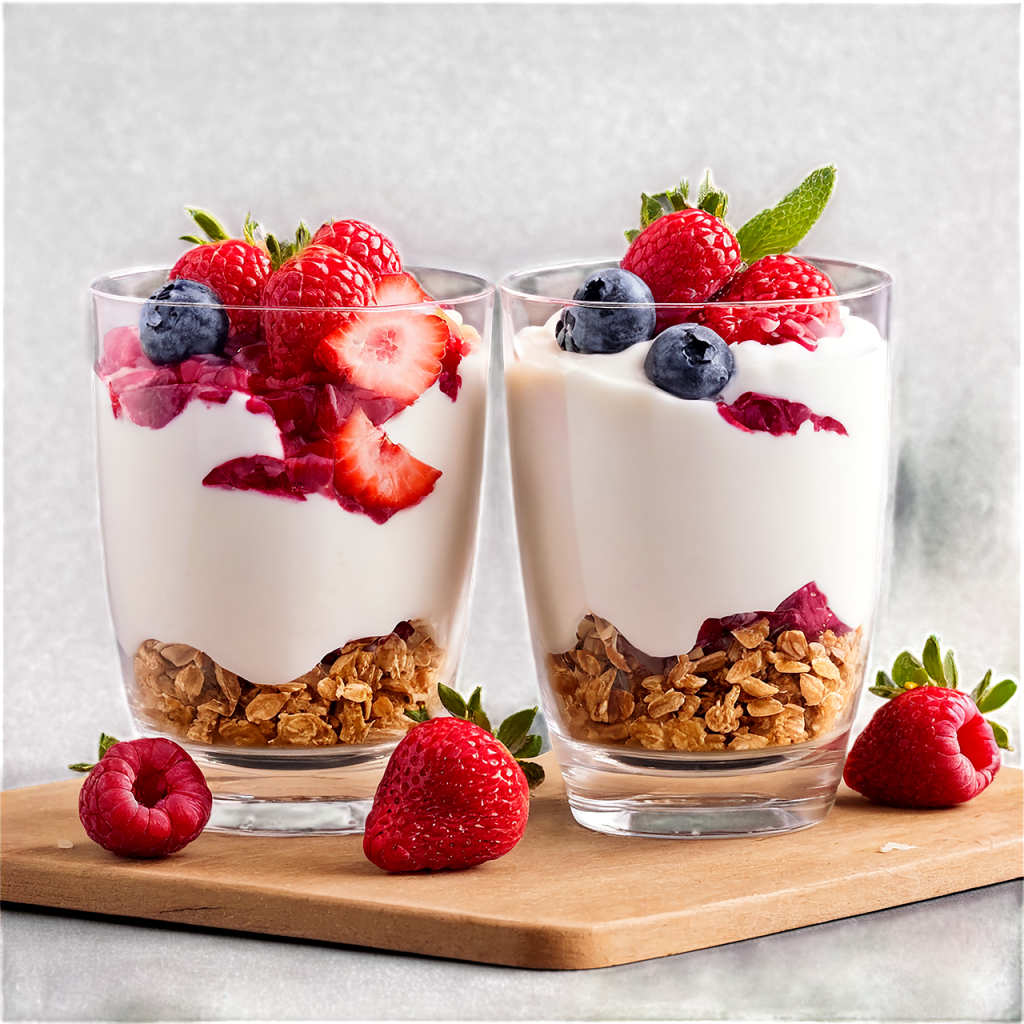
- Yogurt with fruit, oats, chia seeds, or ground flax
- Oatmeal with banana and peanut butter
- Apples with peanut or almond butter
- Mild kefir or drinkable yogurt
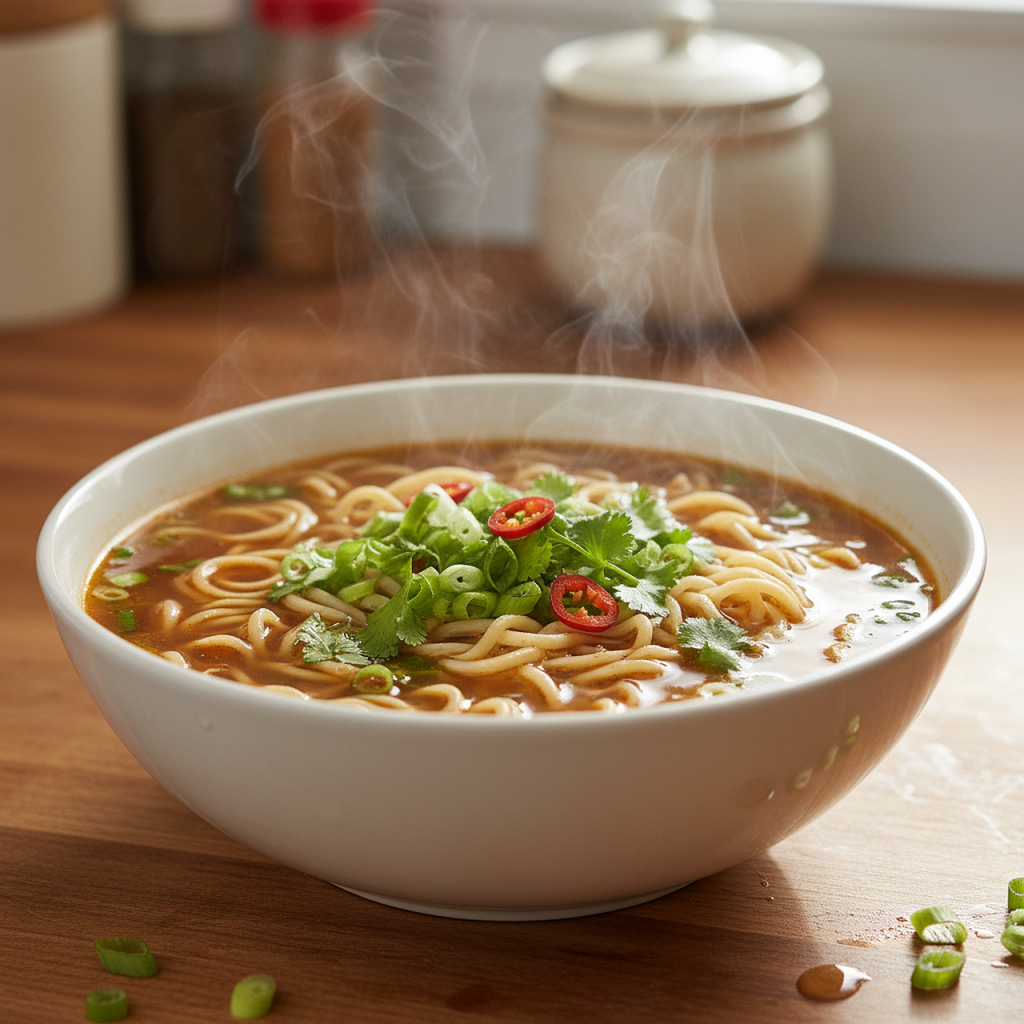
- Miso soup or miso added to soups or sauces
- Whole grain pasta and bread
- Beans or lentils added to tacos, soups, or pasta
- Frozen or canned vegetables (low sodium)
- Mac and cheese made with whole grain pasta
- Pizza or grilled cheese on whole grain dough or tortillas
- Smoothies with fruit and yogurt
- Banana oat pancakes or baked apples with cinnamon