



May 2026 News + Resources
From Our Office
Hey you!
May feels like a turning point here in the Basin. The wind still reminds us we live in a high desert, but green is pushing through, irrigation lines are getting checked, and kids, animals, seedlings and weeds are all growing faster than we can keep up with.
This is one of our fullest seasons at Extension. We’re out in the field, in barns and backyards, at kitchen tables and community spaces.
I’m excited to share that Jacob Gordon is joining our team May 4 as our Agriculture, Natural Resources, and Livestock Program Coordinator. He’ll be hitting the ground listening. Our goal for him is 30 people in 30 days…so don’t be surprised if he reaches out. We’d love for you to share what you’re seeing, needing, and hoping for in our community survey (next page).
Of course, this season holds a bit of tension: growth alongside limited water, persistent weeds, and the unpredictability of the West. If you’re feeling that, you’re not alone. We’re here to offer practical tools, research-based guidance, and real partnership.
Warmly,
Annika Kristiansen
Director, San Miguel Basin Extension
Colorado State University
San Miguel Basin Extension
Community Needs Survey (2026)
San Miguel Basin CSU Extension is here to support our community with practical, research-based programs in agriculture, natural resources, youth development (4-H), and community wellbeing.
As we welcome a new Agriculture, Natural Resources, and Livestock Program Coordinator, we’re taking time to listen. Your input will directly shape workshops, resources, and on-the-ground support.
This survey takes 5–10 minutes. Thank you for helping us serve you better.
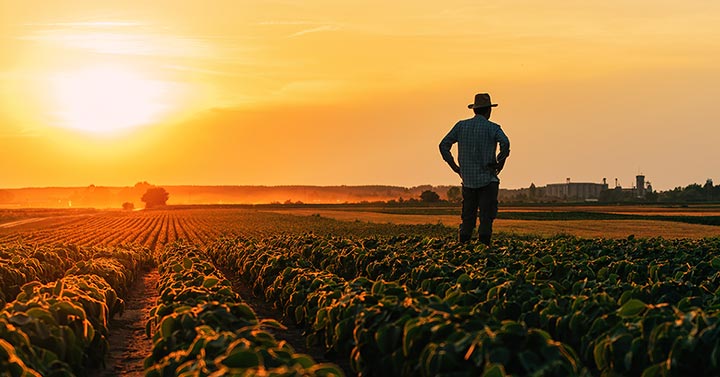
Legacy
Stories of healing and hope
DOCUMENTARY VIDEO SHOWING – May 7, 2026
A deep love for agriculture can be rewarding, joyful, and at times, painful. Our agricultural community continues to show up for one another—especially during stressful seasons. Join us for food, camaraderie, and a meaningful conversation around behavioral health in our communities.
THE LIVERY
1555 Summit St. Norwood, CO
Dinner served at 5:30 PM. Film begins at 6:45 PM followed by a brief panel discussion.
Questions? Please email publichealth@sanmiguelcountyco.gov
Events, Workshops & Learning Opportunities
Regional Learning Opportunities
Red Canyon Reserve Spring Gathering
May 15–17 | Near Magdalena, NM
Be part of a habitat restoration study at this spring gathering hosted on land long stewarded by Quivira Coalition. This weekend brings together conservation-minded folks for camping, hands-on restoration work, and learning in a beautiful desert landscape. Expect cactus adventures, good people, and meaningful time on the land.
HACCP Training — CSU Pueblo
May 27–28
Hands-on certification for food safety planning.
9th Annual New Mexico Working Lands Summit
June 11–12 | Taos, NM
This year’s summit centers on collaboration and resilience, with a focus on acequias as a powerful example of regenerative systems that support both ecological and social health. This is a rich space for peer-to-peer learning, storytelling, and connecting with others working to steward land in the West.
Mountain Meat Summit
June 12–13 | Fort Collins
Hands-on learning + networking for producers and processors.
Move ’Em Right: The Art of Calm Cattle and Confident Crews
June 17–21 | Redwing Ranch, Gardner, CO
Join renowned clinician Dawn Hnatow for a three-day, immersive experience focused on practical, low-stress stockmanship. Learn how to move, handle, and sort livestock effectively—in pasture and corrals, on foot and horseback. This is hands-on, skill-building work that can directly improve your operation and your relationship with your animals.
Effective Stockmanship for Ranching with Wolves
June 24–25 | Salida, CO
A two-day workshop designed for producers navigating the realities of ranching in wolf country. Learn techniques to reduce herd vulnerability, strengthen grazing strategies, and build confidence in working landscapes with predators present. Led by experienced ranchers and conservation professionals, with opportunities to practice skills in the field.
Community Food Systems Intern – Fresh Foundation (Norwood)
$18/hr | June–October | Full-time seasonal
Hands-on work in CSA, markets, farm operations, and food access programs. Great fit for anyone interested in:
- Local food systems
- Sustainable ag
- Community development

4-H Cloverbud Camp
Youth ages 5-7 | June 1-5, 8:30 a.m. to 1 p.m.
San Miguel County Fairgrounds, Norwood
Adventures, 4-H Fun, and Arts and Crafts
Questions? ANNIKAK@SANMIGUELCOUNTY.GOV
Need Community Service Hours?
Want to build your resume?
Service Hours + Real Experience = Win-Win
We are looking for motivated, dedicated, and mature high schoolers work as camp counselors during our one-week Cloverbud 4-H Camp this summer at Norwood Fairgrounds.
4-H Cloverbud Camp
June 1-5
8:00 am to 1:00 pm
Norwood Fairgrounds
Available position: Camp Counselor
Why Volunteer?
- Earn community service hours
- Gain Leadership experience
- Strengthen your resume
Your Role
- Help lead fun, hands-on activities
- Support younger participants
- Be a positive role model
**Must be able to attend a 2-hour planning and training session on May 29th from 2-4p (these hours count towards your total).
How to Apply
Send your resume and a cover letter to:
annika@sanmiguelcountyco.gov
Funding + Grant Opportunities
Opportunity for Producers: Sell to Local Schools
Are you aware of—or curious about—local school districts purchasing what you grow, raise, or process for the upcoming school year (starting Fall 2026)?
School “sponsors” (including school districts, charter schools, public schools, facility schools, and Residential Child Care Institutions) are currently submitting their estimates for use of CDA Local Food Program funds for the 2026–2027 school year. Deadline: May 22
This is a great time to connect with potential buyers—even if you’ve never worked with schools before.
At minimum, participating schools will receive $5,000 to spend on Colorado-grown, raised, or processed products. Many institutions are just getting started and experimenting with simple ways to participate—like featuring local products for a week—so there’s real opportunity to build new market relationships right now.
If you’re interested in learning more:
- What is the CDA Local Food Program?
- How do I get involved?
Take a look at the overview materials, and don’t hesitate to reach out if you have questions or want help getting connected.

Sip Tea + Paint
A tiny masterpieces series with Katherine Banta
Join us for a relaxed morning of creativity, tea, and community. These guided painting classes are designed for all ages and skill levels – whether you painted before or just want to try something new!
- April 11 – Lady Bugs and Bees Rock Painting
- April 25 – Flat Rock Imagination Painting
- May 9 – Moonlit Tree Canvas Painting
- May 23 – Galaxy Canvas Painting
- June 6 – Kindness Rocks
All supplies provided Tea by Cypress Roots.
Classes are 10:30 AM to 12:00 PM at the Extension Office.
1120 Summit Street, Norwood – Donation-Based.
Cypress Roots – Craft Herbalism
Herbal Education, Tuesdays on the farm, 6 – 7:30 pm
May 12th: Medicinal herb garden workshop
Second Tuesday of the Month throughout the spring and summer
6 – 7:30 pm April – September
Limited to sixteen folks each month
Learn ten starter herbs for a medicinal garden, take home several herbs to plant, learn how to harvest and use!
Join us each month to explore a new topic.
765 Heron St., Nucla CO 81424
Colorado State University – Equine Science
Applied Equine Neuroscience and Functional Anatomy: Five-Day Intensive Study | July 17 -21, 2026
For Students, riders, trainers, instructors, and equine professionals
Registration info:
- Early Bird Price: $1,250
- Normal Rate: $1,350

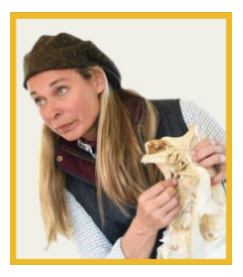
Featuring Neuroscientist, Dr. Steve Peters, and Functional Anatomist, Jillian Krienbring.
Community Resources
Drought Disaster Designation
The U.S. Department of Agriculture announced a disaster designation in Colorado due to drought conditions. Primary counties designated as natural disaster areas include Montezuma, La Plata, Archuleta, San Juan, Dolores, SAN MIGUEL, and San Juan. Contiguous counties include Ouray.
A disaster designation makes farm operators in the above counties eligible for Farm Service Agency (FSA) emergency loan assistance. Farmers in eligible counties have eight months from the disaster designation to apply for emergency loans.
If impacted farmers have any questions about this process, they can reach out to their local Farm Service Agency’s office. More information can be found here.
2025 Land Rental & Custom Rates Survey
Updated data now available to support ag decision-making can be found here.
Read, Watch + Listen
R E A D
Bee Aware: Supporting Native Pollinators in Colorado
As early as 1620, colonists introduced honeybees to North America as a source of wax and sugar. In the 1930s, as large-scale farms began to destroy habitats utilized by native pollinator species, honeybees were brought in to fill the gap. Unfortunately, one of the many species being replaced included native bees. While honeybees have their share of problems (40% of hives fail annually due to a variety of environmental factors), native bee species have it much worse. There are more than 4,000 different bee species found in North America, over 1,000 of which are native to Colorado. 95% of these species are small (they often get mistaken for flies), they don’t live in hives, and they don’t produce honey. Yet they still make up one of the most important groups of pollinators on the planet. Studies indicate that native bee populations are declining in North America. This is mainly due to habitat loss and the introduction of diseases, including a parasitic fungus found on bees imported from Europe.
Resource Links
- Attracting Native Bees to Your Landscape
- Beginner’s Field Guide to Identifying Bees
- Native Bee Watch: A Colorado Citizen Science Field Guide
W A T C H
Thinking Like Water – Film Screening (Part Two)
May 7 | Cortez, CO
This next installment in the Thinking Like Water series highlights collaborative efforts to restore habitat for the endangered Gunnison Sage Grouse. Featuring restoration practitioner Bill Zeedyk and regional partners, the film explores how working with water—rather than against it—can transform landscapes.
You’ll see:
- Practical restoration techniques used in the Southwest
- Real partnerships between landowners, agencies, and communities
- A hopeful, solutions-focused approach to land and water challenges
If you’re thinking about drought, erosion, or watershed health—this one’s worth your time.
L I S T E N
Return to the Savanna: How Grazing Restores the Land and Reawakens Our Human Roots
This conversation with rancher and land steward Nate Chisholm explores the deep relationship between grazing systems and ecosystem health. Drawing from work in both the U.S. and Kenya, Nate connects human history, land stewardship, and livestock in a way that feels both practical and philosophical. Great for anyone thinking about grazing, land health, or the “why” behind regenerative practices.
Wildom Farm: Value-Added Products + Reducing Waste
A candid and wide-ranging conversation with Julie Friend on building a resilient farm business. From pasture-raised livestock to creative value-added products (think lard-based skincare), this episode dives into how small operations can increase profitability while minimizing waste. Expect real talk on diversification, margins, and making the most of what you raise.

Noxious Weed of the Month
Hoary Cress / White Top
Hoary cress is present across San Miguel County, with infestations commonly found in and around Norwood. This aggressive noxious weed is one we’re continuing to see expand—and one that takes a community-wide effort to manage.
How to identify it:
- Perennial plant that reproduces by both seed and spreading roots
- Grows up to approximately 2 feet tall
- Blooms April through June
- Small white flowers (often called “White Top”) with 4 petals, clustered at the ends of branches
- Produces heart-shaped seed pods
- Each plant can produce up to 4,800 seeds, viable for up to 3 years
- Root systems can spread 12- 30 feet per year
- Common in pastures, disturbed areas, and along roadsides
- Prefers moist soils
Why it matters: Hoary Cress doesn’t just show up – it takes over, forms dense monocultures that crowd out desired vegetation, reduces productivity of deep-rooted native plants, competes for and reduces available soil moisture, can lead to significant losses on agricultural land, is toxic to cattle and may cause digestive issues in livestock and can contribute to increased insect pest pressure
For questions about noxious weeds, please contact Julie Kolb, San Miguel County Vegetation Manager: juliek@sanmiguelcountyco.gov
Health + Sustainability
Rural Mental Health Support
Farming and ranching bring unique stresses, and no one should carry them alone. If you or someone you love is struggling, confidential help is available through Colorado Crisis Services.
📞 1-844-494-TALK (8255) | 💬 Text TALK to 38255
Colorado AgriAbility Project (CAP)
A partnership between CSU and Goodwill Industries of Colorado, CAP supports agricultural producers, workers, and families living with physical challenges or disabilities—helping them remain independent, safe, and engaged in their work.
AgriStress Helpline
📞 or 💬 833-897-2474 (24/7)
A free, confidential support line for people in agriculture. Trained professionals understand the unique pressures of ag life and can connect you to local resources. Interpretation available in 160 languages.
Colorado Agricultural Addiction & Mental Health Program (CAAMHP)
Feeling overwhelmed by finances, drought, markets, or legacy stress? CAAMHP offers six free sessions with an ag-friendly, licensed behavioral health professional. Anonymous and often remote.
Eventos de limpieza de primavera
San Miguel County Spring Clean Up Events
15 & 16 de Mayo
Telluride Carhenge Parking Lot 10 a.m.- 2 p.m.
Friday: Viernes:
- Electronic waste Residuos domesticos
- Household waste Desechos peligrosos
- Used gear Residuos electronicos
- Household hazardous waste Residuos verdes
Saturday: Sábado:
- Electronic waste Residuos domesticos
- Household waste Desechos peligrosos
- Used gear Residuos electronicos
- Household hazardous waste Residuos verdes
Mountain Village Market Plaza Parking Lot 10 a.m.- 2 p.m.
Friday: Viernes:
- Electronic waste Residuos electronicos
Norwood County Fairgrounds 10 a.m.- 2 p.m.
Saturday: Sábado:
- Electronic waste Residuos domesticos
- Household waste Residuos electronicos
- Green waste Residuos verdes
Questions? ¿Preguntas? Phone: 970-728-1340 Email: info@ecoactionpartners.org
Norwood Spring Clean-Up: May 16, 2026
Norwood Fairgrounds
Wood chipper also available!
9 am – 3 pm
Household waste: old furniture, household trash, mattresses. No tires or hazardous waste.*
Green waste: tree limbs, grass cuttings, bush cuttings
Metal bin: anything metal that does not have gasoline in it. All gas must be removed.
Fridge/freon bin: $40/item. Anything with freon will be collected and disposed of properly
10 am – 2 pm
Electronic recycling: small electronics, computers/laptops, cell phones, TV’s, microwaves, batteries, copiers, most items have a cord. Some fees may apply.
Paper shredding: free document shedding. Maximum two boxes per person.
Seniors: Do you live in the Town of Norwood and cannot get your items to the Fairgrounds? Contact the Town of Norwood office to have your items picked up that day! 970-327-4288 *for seniors only
We may be collecting old tires in the hall at the Norwood Transfer Station. Hazardous waste and tires will be collected in Telluride this year.
Animal Health Updates
Highly Pathogenic Avian Influenza (HPAI)
USDA no longer requires milk sample testing for lactating dairy cattle coming from non-affected states. Colorado is currently considered non-affected. For a full list of states, visit the USDA website.
- For those interested, there’s a recent BBC article exploring the potential for avian flu vaccination in humans.
New World Screwworm (NWS)
- A recent detection has been reported 62 miles south of the Texas border. As temperatures rise (and especially with moisture), keep an eye out for unusual maggot infestations and report any concerns to the CDA.
- The EPA has issued an emergency exemption for a medication currently used in Brazil (not yet widely available in the U.S.). APHIS will stockpile this treatment and distribute it through State Animal Health Officials if needed. For the latest updates: www.screwworm.gov.
Equine Infectious Anemia (EIA)
Outbreak investigations and tracebacks in Colorado are ongoing. Updated alerts and information are available through the EDCC Site.
Upcoming Events & Trainings:
- The D-Word: A Discussion on Drought, Community Impacts, and Resources Hosted by the Colorado Water Center + CSU Extension May 14 | 6:00–7:30 PM (Online) Register here.
- CSU Hoof to Plate Workshop – For Colorado’s Cattle Producers ARDEC + Global Food Innovation Center (Fort Collins) May 18–20. Learn more + register.
Get in Touch!
The Colorado State University San Miguel Basin Extension Office aims to enhance local knowledge, promote sustainable practices, and improve community well-being.
Glockson Building
1120 Summit Street
P.O. Box 130
Norwood, CO 81423
Office: 970-327-4393
Annika Kristiansen
Director/4-H Program Coordinator
970-708-4798
annikak@sanmiguelcountyco.gov
Email: csuextension@sanmiguelcountyco.gov