


This time of year, many families are back into the rhythm of school, activities, and busy afternoons. If the after-school hours sometimes feel chaotic, you are not alone. Many parents and caregivers notice that children seem to have more energy after school than they did when they woke up that morning. During my afterschool programs, I often wonder, “How are these students not exhausted from the school day?”
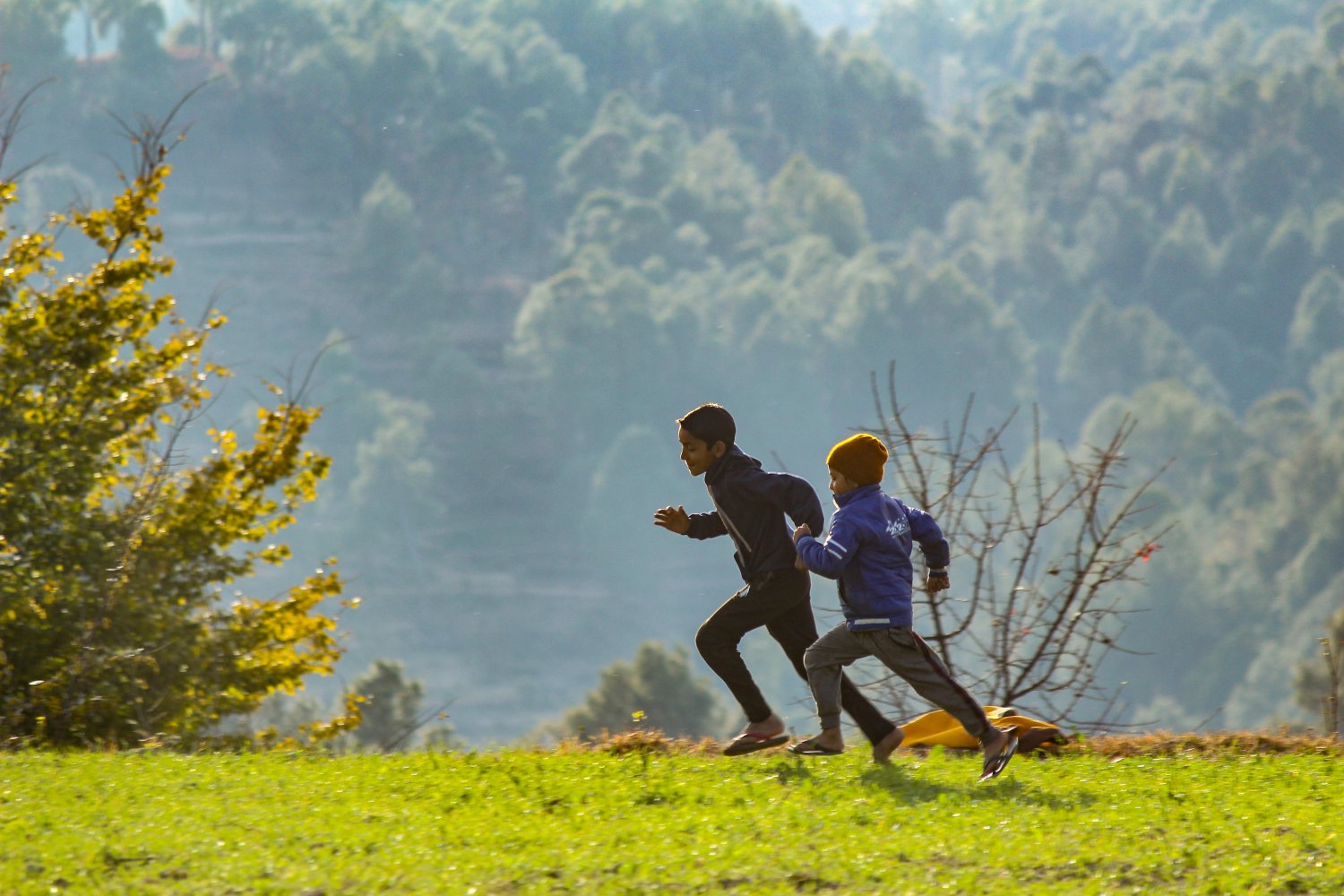
School is demanding. For most of the day, students are expected to sit still, follow routines, focus their attention, learn new information, and manage social interactions, all while getting limited physical movement. By the time they get home, many kids need a healthy outlet to release energy before they can settle into homework or bedtime.
Examples of afterschool energy burners:
- Take a trip in the car: Head to a local park, library, or museum. Many places offer free admission for youth under 18—check ahead to see what is available in your area.
- Play outside: Plant a garden, build a stick fort, or go for a walk together.
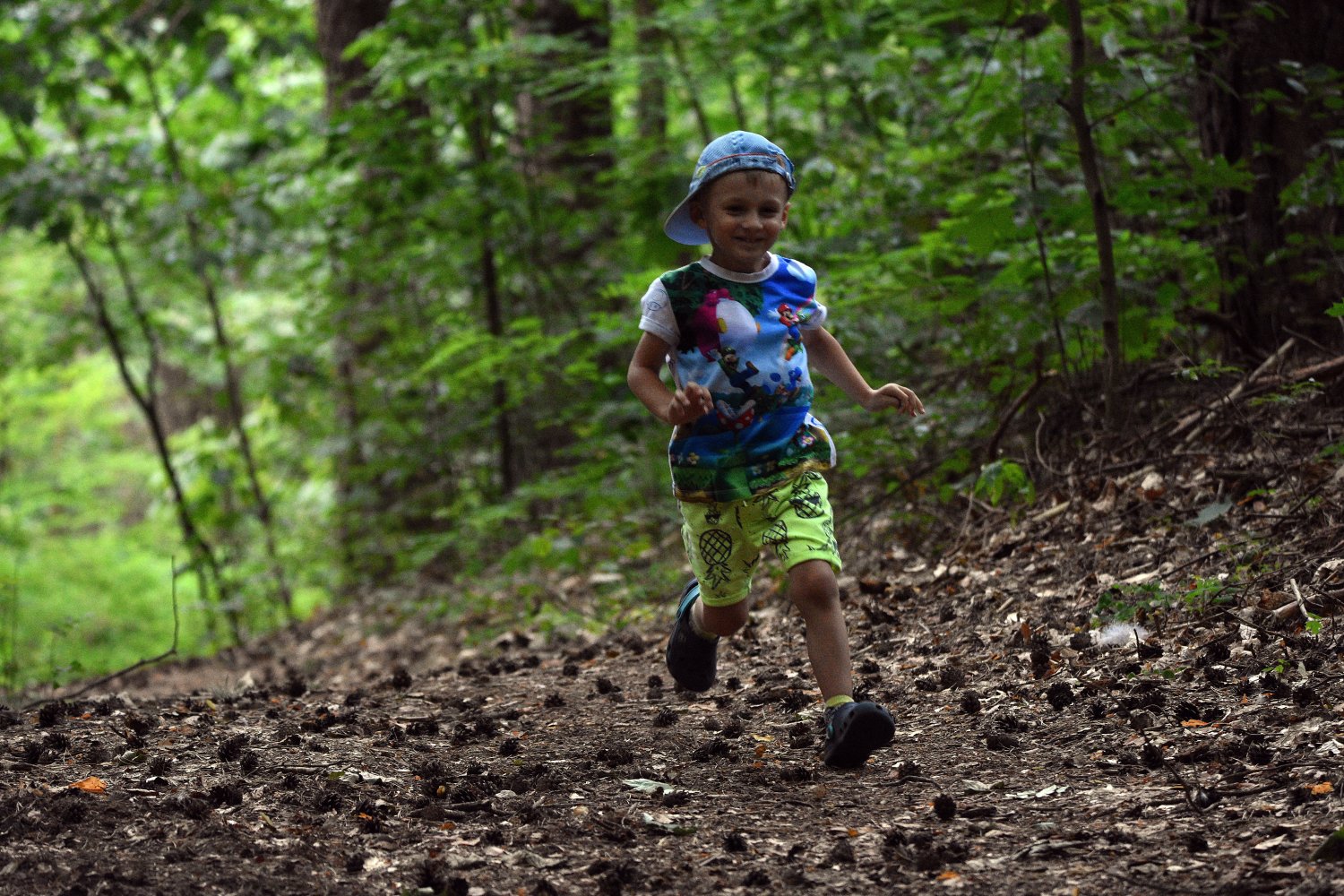
- Create a challenge: Try a scavenger hunt, treasure map, or obstacle course, or play hide and seek.
Treasure Map Examples
- Draw a basic outline of your home. Using lines and arrows to guide youth to the treasure.
- Write out steps and give a compass.
- Start at the front door.
- Take 30 steps north to the living room.
- Turn east and take 20 steps to the hallway.
- Turn south and take 10 steps to the kitchen.
- Walk west and take 15 steps to the dining table.
- Turn north and take 8 steps to the couch.
- Take 12 steps east to the final treasure spot.
- Make the prizes a snack, sticker, or even a favorite book.
Let’s Talk
Establishing a predictable after-school schedule can lead to smoother, more successful evenings for the whole family. This routine might begin the moment your child walks through the door, incorporating dedicated moments to decompress, enjoy a nutritious snack, engage in physical movement, share dinner, and eventually transition into a restful night. A powerful strategy is to develop this plan collaboratively; sit down together and discuss what they need most after a long school day. You could suggest, “Let’s start with some rest, followed by a snack and moving our bodies before we begin winding down.” To increase buy-in, encourage your child to help design a visual guide, perhaps a simple flow chart using pictures or icons, to help navigate the evening hours with ease.
Ideas to Add to Your After-School Routine
Here are a few additional ideas to help children release energy and transition into a calmer evening:
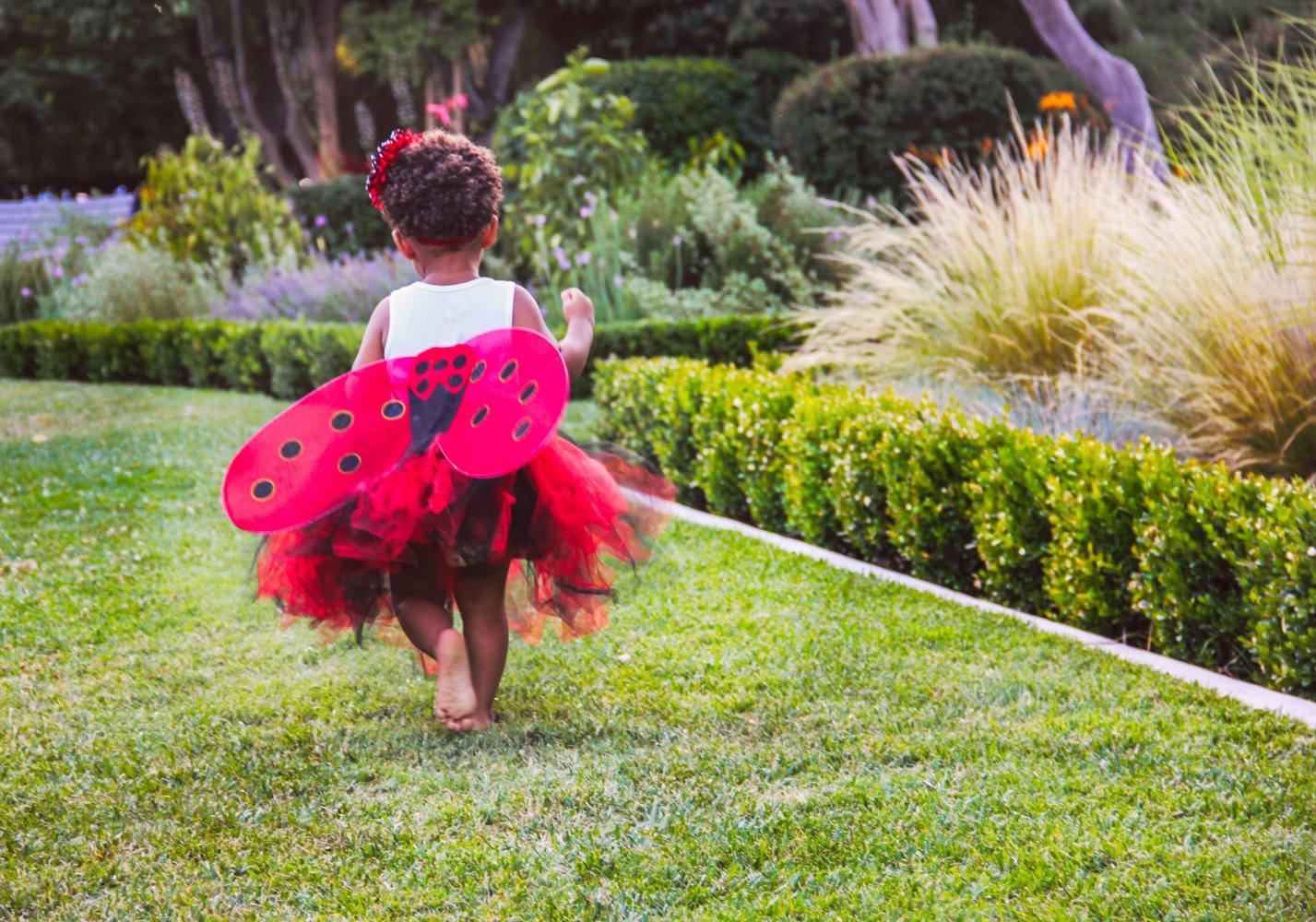
- Spend time outside. Fresh air and movement can help reset the body and mind.
- Free Play: Allow young children to “free play”, just play whatever they want for 30 minutes or 60 minutes.
- Tap into physical energy. Turn movement into a game or friendly competition to increase buy-in.
- Harness mental energy. Use a treasure map, puzzle, or other brain-based activity to help create a calm and focused environment.
- Establish a wind down period. A predictable bedtime routine can signal that it is time to shift from active time to rest. Consider a bath, reading together, listening to an audiobook, or calming music.
- Participate in the routine. Children often follow the lead of the adults around them, so joining in can encourage them to do the same.
- Let your child take the lead. Ask what games or activities they would enjoy most.