


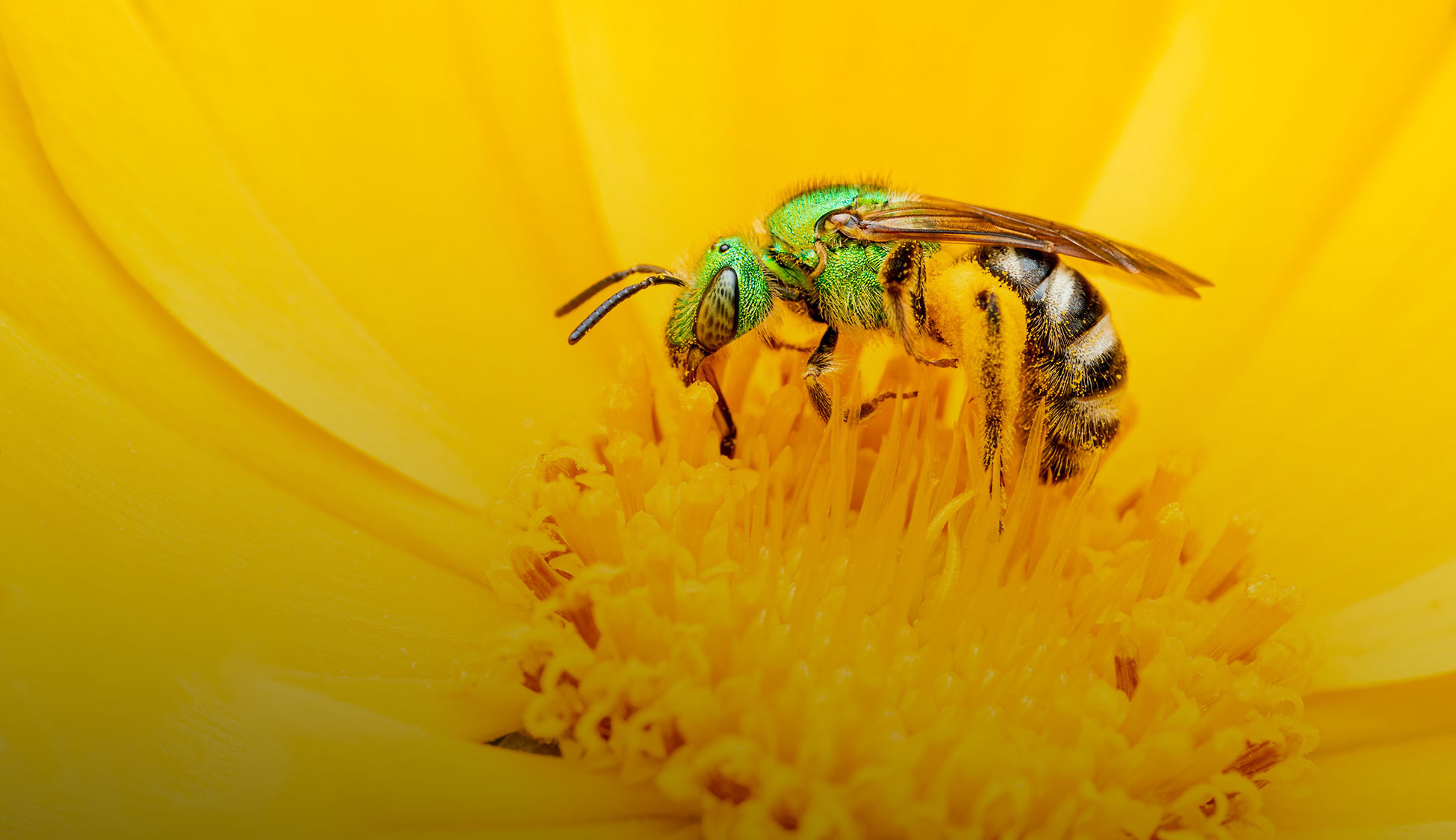
Native Bee Watch – Volunteer Resources
2026 Updates
- Welcome and instructions for getting started
- Note: We are in the process of converting all materials to be electronically accessible. We anticipate updates later this summer. We will keep you posted!
- Returning volunteers: We know the survey tool has had some glitches over the years. The tool is working much better this year! Still having trouble? Email NativeBeeWatch@gmail.com for support.
- Visit the up-to-date data dashboard
Training Materials
- Getting Started – READ FIRST
- Native Bee Watch – Citizen Science Field Guide
- A Beginner’s Guide to Bee Identification
- Frequently Asked Questions
- Monitoring/Observation Cheat Sheet
Note: Additional training materials, including PowerPoint slide decks, will be added once they have been updated for accessibility. Thank you for your patience.
Training Videos
- 2026 Video Training (2 hours) – REQUIREMENT TO VOLUNTEER
- Flies vs. Bees (11 minutes)
- How to Monitor and Collect Data (6 minutes)
Entering Data
Ready to take the volunteer quiz?
This quiz is a requirement to volunteer. The quiz is open book. You must pass with a score of 85% or higher before your collected data can be submitted to the Native Bee Watch project.
Need some help? Consider using the Practice Flashcards.
Connect with us
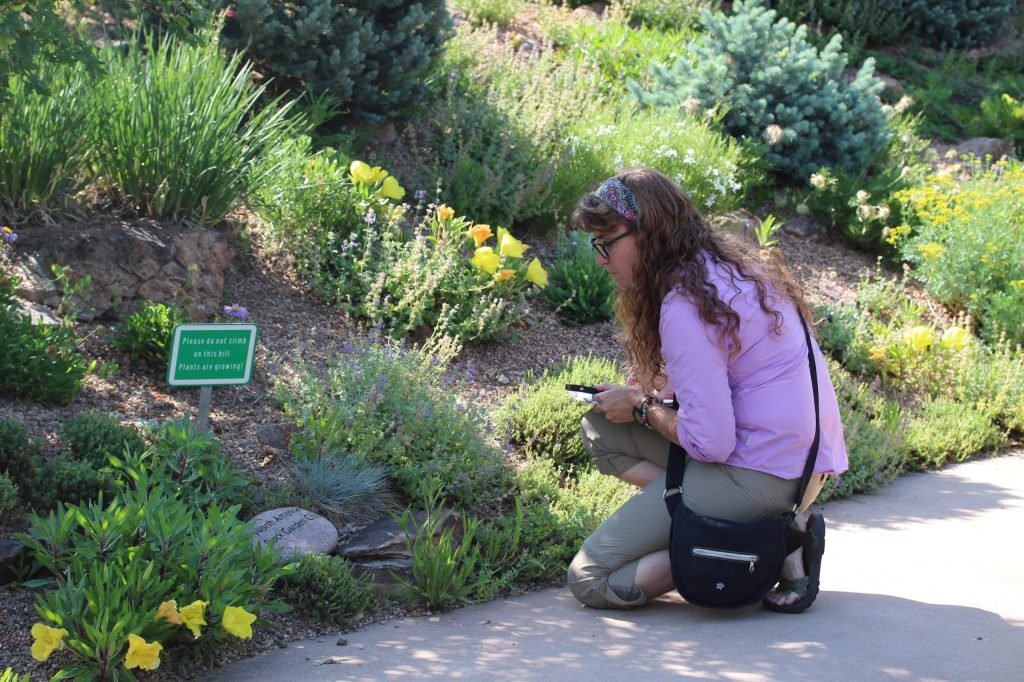
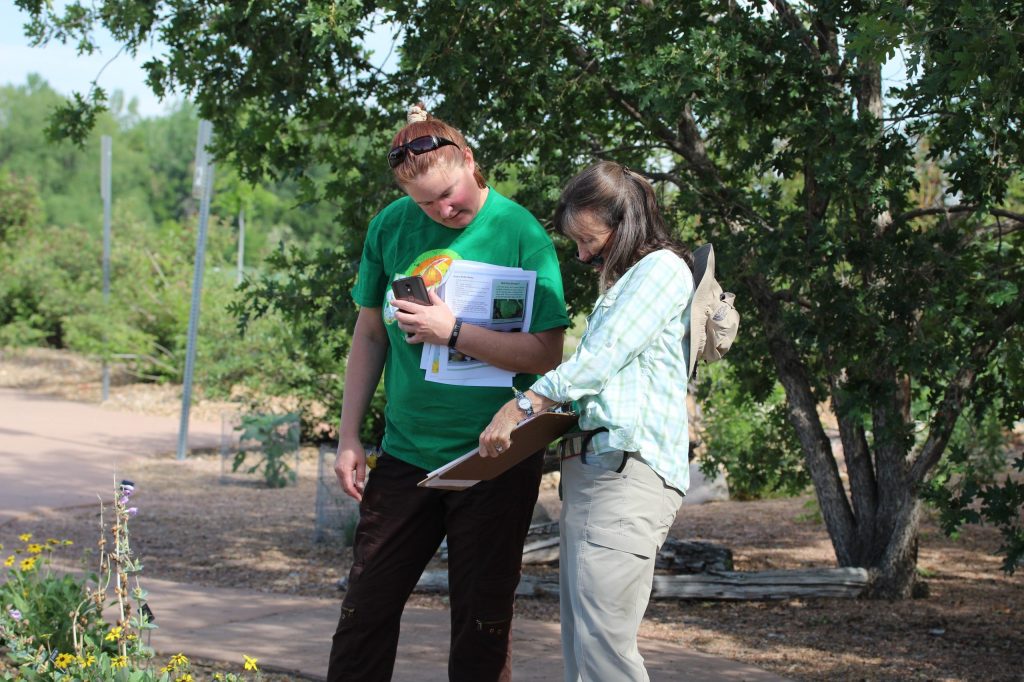
Join us for in-person, outdoor training opportunities! (Dates coming soon).
Questions? Email us at NativeBeeWatch@gmail.com
Get social
Join our Facebook group: Native Bee Watch Citizen Science Volunteer Group
Ask questions, share photos, meet fellow citizen scientists, and learn more about bees!
Virtual Q+A Meetings – Coming Soon
Join us on a virtual Q+A discussion. These sessions are an informal training opportunity for you to ask all your questions!
Additional Resources
Webinars
- Native Bee Watch – Spring 2026 Research Update
- What’s Killing Your Plants? FREE webinar series on best management practices for common pests
- Bumble Bee Ecology and Conservation on the Front Range and Beyond by Dr. John Mola
- Celebrate Pollinators for National Pollinator Week taught by Deryn Davidson and Lisa Mason
- Learn about who the pollinators are and how we can support them.
- Pollinator Paradise: Who Are The Pollinators and How to Attract Them to Your Landscape taught by Lisa Mason
- Pollination Biology 101 – The Relationship Between Plants and Their Pollinators taught by Dr. Arathi Seshadri
- Native Bee Watch Q+A for Volunteers, 2020, taught by Lisa Mason
- Beneficial Insects in Your Backyard taught by Lisa Mason
- Where Do Insects Go in Winter? taught by Lisa Mason
Identification Tools
Apps can be a good tool to start the identification process. If you identify a plant or insect using an app, be sure to confirm the identification through your own research or asking experts.
- iNaturalist app and website – for insects, plants, and more
- PlantNet app and website – for plants
- Rocky Mountain Native Bee Group – Facebook Group
- Arthropods of Colorado and Wyoming – Facebook Group
Research
- 2023 – Community Science Online: Building Capacity for Native Bee Monitoring
- 2019 – Assessing the efficacy of citizen scientists monitoring native bees in urban areas
Blog Posts
Check out the CO-Horts Blog for information on pollinators and other important topics written by your CSU Extension Horticulture Staff from around the state. Here are some recent posts on pollinators:
- Let’s Celebrate Pollinators Every Week
- Buzzing Research on Pollinator Conservation
- Plant Native Plants to Support Native Bees
- BEE Thankful for Pollinators
- Where Do Bees Go in Winter
- The Buzz on Bees and Wasps
- The Fascinating Lives of Butterflies
- All About Wasps – Part I
- What is a Pollinator Syndrome?
- Your Pollinator Book List: Ideas to Read
Relevant Publications and Fact Sheets
- The Bumble Bees of Colorado: A Pictorial Identification and Information Guide
- The Bees of Colorado
- Creating Pollinator Habitat
- Attracting Native Bees to Your Landscape
- Attracting Butterflies to Your Garden
- Solitary Bee Hotels